
 EN
EN
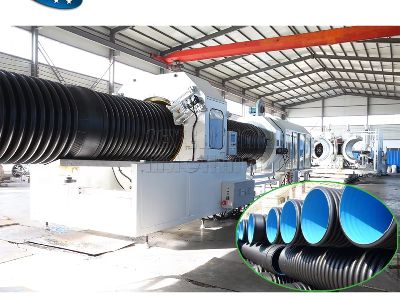
Understanding how screw configuration impacts corrugated pipe extrusion performance is crucial for manufacturers looking to optimize their production processes. The right screw design not only influences the efficiency of the extrusion process but also directly affects the quality and characteristics of the final product. B2B buyers including purchasing managers, engineers, and product managers often seek to understand how screw configurations can enhance production efficiency, improve material processing, and reduce energy consumption. This article will delve into the key specifications, variations in screw configurations, quality control measures, installation guidance, and common issues related to screw configurations in corrugated pipe extrusion.
Key Specifications for Superior Corrugated Pipe Extrusion
When selecting a screw for corrugated pipe extrusion, several key specifications must be considered to ensure optimal performance. The primary specifications include:
Screw Diameter: The diameter affects the throughput and the shear rate of the material. A larger diameter typically allows for greater material flow but may increase energy consumption.
Screw Length-to-Diameter Ratio (L/D): This ratio influences the material's residence time within the extruder. A longer L/D ratio can improve mixing and melting, which is critical for achieving uniform material consistency.
Flight Depth: The depth of the screw flights impacts the material's movement and mixing efficiency. Deeper flights can enhance material conveying but may also lead to increased melt temperature, affecting material properties.
Compression Ratio: This refers to the difference in flight depth between the feed and metering sections of the screw. A higher compression ratio can improve melting and homogenization but may also increase the risk of material degradation if not managed correctly.
Understanding these specifications allows buyers to select the right screw configuration that aligns with their production goals, material types, and desired product characteristics.
Different Screw Configurations Explained
Screw configurations can vary significantly, impacting the extrusion process and the quality of the corrugated pipes produced. Here are some common configurations:
Single Screw Extruder: This is the most common type used for corrugated pipe extrusion. It consists of a single screw rotating within a barrel. This configuration is straightforward and suitable for various materials, but it may lack mixing efficiency for complex formulations.
Twin Screw Extruder: Featuring two intermeshing screws, this configuration provides enhanced mixing and compounding capabilities. It's ideal for processing materials with additives or fillers and can better handle sensitive materials that require gentle processing.
Barrier Screws: These screws have a barrier section that helps to separate the melting and conveying zones, improving the homogeneity of the melt and reducing the risk of degradation. Barrier screws are particularly beneficial for high-temperature or shear-sensitive materials.
Mixing Elements: Some screws incorporate mixing elements, such as kneading blocks or dispersion elements, to improve material mixing and ensure a uniform melt. This is particularly important when working with materials that have varying viscosities or require specific thermal profiles.
Choosing the appropriate screw configuration is critical for maximizing production efficiency and ensuring the quality of the final product in corrugated pipe extrusion.
Quality Control Measures for Optimal Screw Configurations
To achieve optimal performance from screw configurations, implementing stringent quality control measures is essential. Here are several practices to consider:
Material Inspection: Before extrusion, materials should be inspected for quality, including moisture content and particle size distribution. Inconsistent material quality can lead to processing issues and affect the properties of the final product.
Screw Design Validation: It's crucial to validate the screw design through simulations or prototyping to ensure it meets the specific requirements of the material and intended application. This can help identify potential issues before full-scale production begins.
Regular Maintenance: Maintaining the screw and barrel is vital for ensuring consistent performance. Regular inspections should be conducted to check for wear, damage, or buildup of materials that can hinder performance.
Operational Monitoring: Implementing real-time monitoring systems can help track critical parameters such as temperature, pressure, and torque during the extrusion process. Consistent monitoring allows for immediate adjustments to maintain optimal processing conditions.
Final Product Testing: Conducting rigorous testing on the finished corrugated pvc pipe extrusion machine, including dimensional checks and mechanical property evaluations, ensures that they meet the required specifications and performance standards.
These quality control measures help manufacturers achieve consistent extrusion performance and high-quality products.
Installation Guidance for Efficient Corrugated Pipe Extrusion
Proper installation of the screw and extruder setup is vital for ensuring efficient operation in corrugated pipe extrusion. Here are some guidelines to consider:
Alignment: Ensure that the screw is correctly aligned with the barrel to prevent excessive wear and to maintain efficient material flow. Misalignment can lead to increased energy consumption and reduced output.
Temperature Settings: Set the appropriate temperature zones according to the material specifications. Incorrect temperature settings can cause poor melting or degradation of the material.
Feed Rate: Establish an optimal feed rate to prevent blockages and ensure a smooth flow of materials through the extruder. Adjusting the feed rate based on the material viscosity and screw design can significantly impact production efficiency.
Cooling Systems: Implement effective cooling systems to manage the temperature of the extrusion process, particularly if processing materials sensitive to heat. Proper cooling can help maintain material properties and improve production efficiency.
Operator Training: Ensure that operators are well-trained on the specific requirements of the extruder and screw configuration. Knowledge of the equipment and processes can lead to better decision-making during production, minimizing downtime and errors.
By following these installation guidelines, manufacturers can enhance the efficiency and effectiveness of their corrugated pvc pipe extrusion line processes.
Common Problems in Screw Configuration and Their Solutions
Screw configurations can present various challenges during the extrusion process. Here are some common problems and solutions:
Material Degradation: If the material is exposed to excessive heat or shear, it may degrade, resulting in poor product quality. To mitigate this, ensure that the temperature settings are appropriate for the material and that the screw design facilitates gentle processing.
Poor Mixing: Inadequate mixing can lead to inconsistencies in the final product. If mixing elements are not performing adequately, consider upgrading to a barrier screw or incorporating additional mixing elements to improve material homogeneity.
Blockages: Blockages can occur due to material buildup or improper feed rates. Regular maintenance and cleaning of the screw and barrel can help prevent these issues. Implementing a monitoring system to detect changes in pressure can also help identify blockages early.
Inconsistent Output: Variations in product dimensions or properties can arise from improper screw configuration or material inconsistencies. Conducting thorough inspections and validating screw designs can help ensure consistent output.
Increased Energy Consumption: If energy consumption exceeds expectations, it may indicate a problem with screw design or alignment. Regularly check alignment and wear, and optimize the screw design for the specific material being processed.
By proactively addressing these common problems, manufacturers can enhance the reliability and performance of their corrugated pipe extrusion operations. Understanding the nuances of screw configuration is essential for achieving optimal corrugated plastic pipe extrusion machine performance. By focusing on the right specifications, selecting the appropriate screw configurations, implementing quality control measures, ensuring proper installation, and addressing common issues, manufacturers can significantly improve their production efficiency and product quality.