
 EN
EN
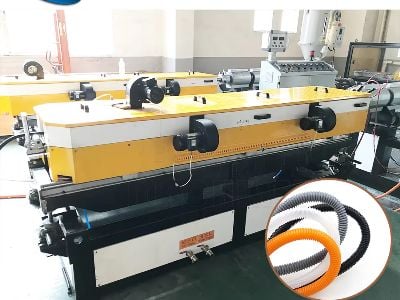
Single-wall and double-wall corrugated pipe machines are essential for manufacturing durable piping solutions used in various industrial applications. Understanding the differences between these two types of machines is crucial for purchasing managers and engineers who need to make informed decisions that align with production requirements and operational efficiency. This article will explore key specifications, quality evaluation, sourcing reliable suppliers, common production challenges, and installation guidelines to aid in your decision-making process.
Key Specifications for Single-Wall and Double-Wall Corrugated Pipe Machines
When evaluating single-wall versus double-wall corrugated pipe machines, several key specifications should be considered.
Material Compatibility: Single-wall machines typically handle a range of thermoplastics, while double-wall machines may require specific materials for the inner and outer walls. Understanding the material requirements is crucial for ensuring compatibility with your intended application.
Production Capacity: Single-wall machines often have a higher production speed due to their simpler design. In contrast, double-wall machines may have a slower output, given the additional complexity in their design and the need for careful layer control. Buyers should assess their production needs to determine which machine aligns with their capacity requirements.
Diameter and Wall Thickness: The design of single-wall pvc pipe machine usually caters to a narrower diameter and lesser wall thickness compared to double-wall pipes, which provide enhanced structural integrity and insulation. Understanding the diameter and thickness specifications will help in selecting the appropriate machine based on the intended application.
Extruder Design: The configuration of the extruder can vary significantly between single-wall and double-wall machines. Single-wall machines often utilize a single screw extruder, while double-wall machines may use a co-extrusion system. This affects the versatility in producing various pipe types.
Energy Efficiency: Manufacturers like Zhangjiagang Sevenstars Machinery emphasize low-energy consumption in their designs. Evaluating energy efficiency ratings can significantly impact long-term operational costs.
How to Evaluate Quality in Corrugated Pipe Manufacturing Equipment?
Quality evaluation in corrugated pipe manufacturing equipment is paramount to ensuring the long-term reliability of the pipes produced. Here are some crucial factors to consider:
Quality Certifications: Check for industry-standard certifications such as ISO 9001, which indicate adherence to quality management systems. This certification can enhance trust in the manufacturing process and the final product.
Material Testing: Inquire about the materials used in machine construction. High-grade steel or alloy materials are preferred for durability and longevity. Additionally, testing of raw materials before processing can prevent defects in the final product.
Performance Testing: Request information on performance testing protocols. Machines should go through rigorous testing to ensure they meet specified production capacities and quality standards.
Maintenance Records: A well-maintained machine will show signs of consistent operational performance. Ask potential suppliers for maintenance logs to understand the machine’s reliability over time.
User Reviews and Case Studies: Gathering insights from current users can provide valuable information about the machine's performance in real-world applications.
Where to Source Reliable Suppliers for Corrugated Pipe Machinery?
Finding reliable suppliers for corrugated pipe machinery is essential for ensuring consistent production quality. Here are some strategies to identify trustworthy manufacturers:
Industry Associations: Joining industry associations or attending trade shows can connect you with reputable suppliers. These platforms often feature established manufacturers with a solid reputation.
Online Marketplaces and Directories: Websites such as Alibaba or ThomasNet provide extensive listings of manufacturers. Look for suppliers with verified credentials and positive customer feedback.
Referrals from Industry Peers: Networking with peers in the manufacturing sector can yield recommendations for suppliers who have delivered satisfactory results.
Supplier Audits: Conducting audits of potential suppliers can verify their manufacturing capabilities, quality assurance practices, and overall reliability.
Showroom Visits: If possible, visiting the supplier’s facility can give you firsthand insight into their production processes, quality control measures, and machine capabilities.
Common Problems in Corrugated Pipe Production and Their Solutions
Several common issues can arise during the production of corrugated pipes, but understanding these challenges can lead to more efficient operations:
Material Melting and Degradation: Improper temperature settings can lead to material degradation. Regular monitoring of the extruder temperature and implementing automated controls can help mitigate this issue.
Dimensional Variability: Variations in pvc pipe machine supplier dimensions can occur due to inconsistent material feeding. Ensuring that the feeding system is calibrated and regularly maintained can help maintain dimensional stability.
Surface Imperfections: Surface defects may arise from improper cooling or contamination. Implementing stringent quality checks during production can help identify these issues early.
Machine Downtime: Unexpected machine failures can disrupt production. Investing in preventative maintenance schedules and training staff on basic troubleshooting can help reduce downtime.
Quality Control Failures: Establishing a robust quality control process that includes regular inspections at various production stages can prevent defective products from reaching the market.
Installation Guidelines for Corrugated Pipe Machines in Industrial Settings
Proper installation of corrugated pipe machines is vital to ensure optimal performance and longevity. Here are some guidelines:
Site Preparation: Ensure that the installation site is adequately prepared, with sufficient space for the machine and any auxiliary equipment. Consider factors such as ventilation, power supply, and material storage.
Foundation Requirements: Machines should be installed on a stable foundation to prevent vibrations that can affect production quality. Consult the manufacturer's specifications for foundation requirements.
Electrical and Mechanical Connections: Ensure that electrical and mechanical connections are made according to the manufacturer's guidelines. Improper connections can lead to machine malfunctions or safety hazards.
Calibration and Testing: After installation, calibrate the machine according to the specifications. Conduct initial test runs to identify any issues before full-scale production begins.
Training for Operators: Provide thorough training for machine operators on the specific machine functions and safety protocols. Well-trained operators can greatly reduce the risk of accidents and improve overall efficiency.
By understanding the differences between single-wall and double-wall corrugated plastic pipe machine machines and considering the specifications, quality evaluation, supplier sourcing, common production problems, and installation guidelines, you can make informed decisions that align with your manufacturing goals.
Table of Contents
- Key Specifications for Single-Wall and Double-Wall Corrugated Pipe Machines
- How to Evaluate Quality in Corrugated Pipe Manufacturing Equipment?
- Where to Source Reliable Suppliers for Corrugated Pipe Machinery?
- Common Problems in Corrugated Pipe Production and Their Solutions
- Installation Guidelines for Corrugated Pipe Machines in Industrial Settings