
 EN
EN
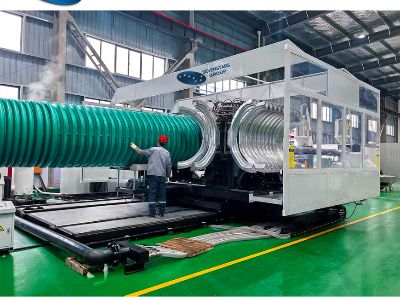
Understanding the intricacies of corrugated pipe machine automation is essential for manufacturers looking to enhance efficiency and reduce production costs. As the industry shifts towards increased automation, discerning which processes to prioritize can significantly impact overall productivity and profitability. This article will delve into how to identify the right automation solutions, evaluate machine quality, assess cost implications, address common production issues, and provide installation guidance—all crucial for B2B buyers such as purchasing managers and production engineers
How to Choose the Right Automation Solutions for Your Needs
Selecting the appropriate automation solutions for corrugated pipe machine manufacturing is pivotal to optimizing production processes. Start by evaluating the specific processes that are most time-consuming or prone to errors. Common areas for automation include material handling, extrusion control, and quality monitoring
Consider the compatibility of automation technologies with your existing equipment. For instance, if your current line includes a high-efficiency plastic pipe extrusion machine, integrating automation should not compromise its performance. Additionally, assess the scalability of the automation solution, ensuring it can adapt to future production requirements or changes in market demand
Collaborating with a knowledgeable manufacturer, like Zhangjiagang Sevenstars Machinery, can provide insights into the latest automation technologies tailored to your production goals. They can guide you through the selection process, ensuring the solutions align with your operational needs and budget constraints
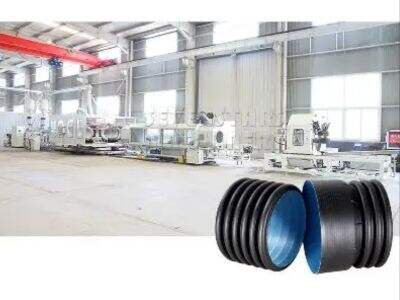
Evaluating the Quality of Automated Corrugated Pipe Machines
Quality evaluation of automated corrugated pipe manufacturing machine involves several critical factors. First, inspect the machine’s build quality and the materials used in its construction, as these directly influence durability and performance. Look for machines that incorporate high-grade components, which can withstand the rigors of continuous operation
Next, consider the machine’s operational accuracy. Automated systems should provide consistent output in terms of dimensions and quality, reducing waste and enhancing reliability. Request performance data from the manufacturer, including metrics related to speed, throughput, and error rates, to gauge the machine's efficiency
Additionally, evaluate the manufacturer’s commitment to quality control processes. A reputable manufacturer will have established testing protocols and certifications that demonstrate compliance with industry standards. This can provide peace of mind regarding the machine's long-term reliability and performance
Cost Considerations for Automating Pipe Manufacturing Processes
The decision to automate pipe manufacturing processes involves a thorough analysis of costs. Start by calculating the initial investment required for the automation equipment, installation, and any necessary upgrades to existing machinery. While automation may seem costly upfront, it’s important to consider the long-term savings achieved through increased efficiency and reduced labor costs
Operational expenses should also be factored in, including maintenance and potential training for staff to operate the new systems effectively. Some automation solutions may require specialized knowledge, so investing in training can yield significant returns in productivity
Lastly, assess the impact on production capacity. An automated system may enhance throughput, allowing for increased output without a corresponding rise in operational costs. This can ultimately lead to improved profit margins, making automation a financially sound investment
Common Problems in Pipe Production and Automation Solutions
Despite the advantages of automation, challenges can arise during the production of corrugated pipes. One common issue is equipment malfunction, which can lead to unplanned downtime. Regular maintenance schedules and the inclusion of predictive maintenance technologies can help mitigate this risk, ensuring equipment remains operational and efficient
Another frequent problem is the variability in raw material quality. Inconsistent material can lead to defects in the final product. Implementing automated quality control measures, such as inline inspection systems, can help identify issues early in the production cycle, allowing for immediate corrections
Additionally, integration challenges between new automated systems and existing machinery can occur. It’s advisable to work closely with your equipment supplier to ensure compatibility and seamless integration, minimizing disruptions during the transition to automation
Installation Guidance for Automated Corrugated Pipe Machines
Proper installation of automated corrugated pipe making machine is crucial for ensuring optimal performance. Begin by preparing your facility to accommodate the new equipment, considering factors such as space, electrical requirements, and ventilation. Collaborating with your manufacturer can provide valuable insights into the specific needs for installation
During the installation phase, it’s essential to follow the manufacturer's guidelines meticulously. This includes setting up the machine in accordance with specified tolerances and ensuring all connections—electrical and mechanical—are secure
After installation, conduct a series of test runs to verify that the machine operates as expected. This phase should include checks for consistency in output quality and adherence to production specifications. Involve key operational staff in the testing process to ensure they are familiar with the machinery and can identify any potential issues early
In summary, effectively automating corrugated pipe production requires careful consideration of various factors, from selecting the right solutions to ensuring quality and managing costs. By following the guidance provided, manufacturers can make informed decisions that enhance their operational efficiency and competitiveness in the marketplace
Table of Contents
- How to Choose the Right Automation Solutions for Your Needs
- Evaluating the Quality of Automated Corrugated Pipe Machines
- Cost Considerations for Automating Pipe Manufacturing Processes
- Common Problems in Pipe Production and Automation Solutions
- Installation Guidance for Automated Corrugated Pipe Machines