
 EN
EN
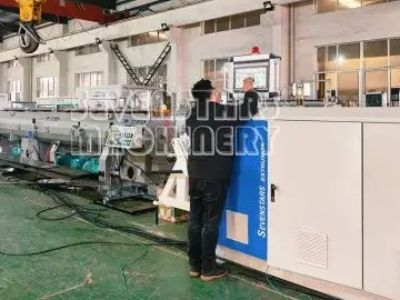
In the world of manufacturing, leveraging data is essential for process optimization, especially in the production of plastic pipes. The primary keyword, Pipe Making Machine Data Acquisition: Turning Production Data into Process Improvements, encapsulates the significance of utilizing data to enhance the efficiency and effectiveness of pipe manufacturing processes. For B2B buyers, including purchasing managers and engineers, understanding how data acquisition can drive production improvements is critical. This article will elucidate the benefits of data acquisition in pipe making, how it enhances manufacturing processes, key specifications to consider when selecting machines, and the cost factors involved in investments
Understanding Pipe Making Machine Data Acquisition Benefits
Data acquisition in pipe extruder making machines involves collecting and analyzing production data to identify trends, efficiencies, and areas for improvement. This approach allows manufacturers to optimize their processes, leading to reduced waste and increased productivity. Key benefits include
Enhanced Decision-Making: By analyzing real-time data, manufacturers can make informed decisions quickly. This is especially important in high-volume production environments where delays can lead to significant cost implications
Quality Control: Data acquisition enables continuous monitoring of product quality, allowing manufacturers to detect deviations from specifications early in the production process. This proactive approach to quality management can reduce the cost of rework and returns
Predictive Maintenance: By monitoring machine performance data, manufacturers can predict when maintenance is needed, reducing downtime and extending the lifespan of equipment
Operational Efficiency: Data-driven insights can lead to process adjustments that enhance operational efficiency, such as optimizing production schedules or adjusting material feed rates based on real-time demand
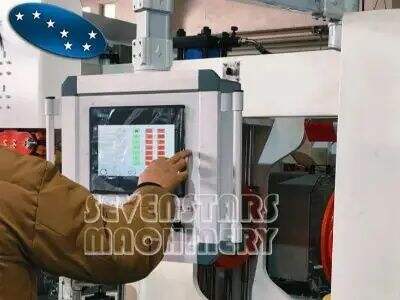
How Data Acquisition Enhances Your Pipe Manufacturing Process
Incorporating data acquisition systems into pipe manufacturing processes can significantly streamline operations. Here’s how
Real-Time Monitoring: Continuous data logging allows for the immediate detection of anomalies in production, such as changes in temperature, pressure, or material feed rates. This real-time capability can prevent larger issues from developing
Process Optimization: Data analysis can reveal inefficiencies in the production line. For instance, if data shows that a particular machine is consistently underperforming, manufacturers can investigate and implement necessary adjustments or upgrades
Traceability: With data acquisition, manufacturers can trace the entire production process, from raw material selection to final product output. This traceability is crucial for compliance with industry regulations and standards
Customization Opportunities: By analyzing customer demand and production capabilities, manufacturers can better tailor their offerings to meet specific market needs, enhancing customer satisfaction and loyalty
Key Specifications to Consider for Pipe Making Machines
When selecting a pipe extrusion machine making, several key specifications must be considered to ensure compatibility with production needs
Production Capacity: Understand the machine’s output capacity measured in kilograms per hour. This should align with your production goals to avoid bottlenecks
Material Compatibility: Ensure the machine can process the specific type of plastic used in your pipe production, as different materials may require unique processing conditions
Extrusion Technology: The choice between single-screw and twin-screw extruders can impact both the quality of the final product and the efficiency of the process. Twin-screw extruders typically offer better mixing capabilities, which can be advantageous for certain applications
Control Systems: Advanced control systems allow for precise adjustments to production parameters, enhancing the machine's ability to produce consistent quality pipes
Energy Efficiency: As energy costs continue to rise, selecting machines that are designed for low energy consumption can lead to significant long-term savings
A Comprehensive Guide
For those looking to invest in pipe making machines, a comprehensive guide should include the following steps
Define Requirements: Clearly outline the desired specifications, including production volume, material types, and quality standards
Research Suppliers: Investigate potential manufacturers based on their reputation, experience, and technical support capabilities. Zhangjiagang Sevenstars Machinery, for instance, has specialized in high-efficiency, low-energy plastic pipe extrusion lines for over 20 years, making them a credible option
Request Quotes: Gather detailed quotations from multiple suppliers, ensuring that they include all relevant specifications, customization options, and lead times
Evaluate Samples: Before committing to a large order, request samples to evaluate the machine's performance and the quality of the produced pipes
Consider After-Sales Support: Ensure that the supplier offers adequate after-sales support, including maintenance and troubleshooting assistance
Cost Factors in Pipe Making Machine Investments Explained
Understanding the cost factors associated with pipe making machine investments is crucial for budget planning. Key considerations include
Initial Purchase Price: This includes the base cost of the machine, as well as any optional features or upgrades necessary for your specific production needs
Operating Costs: Calculate expected operating costs, including energy consumption, labor, maintenance, and material costs. Machines designed for energy efficiency can significantly lower operating expenses over time
Training and Setup: Factor in the costs of training staff to operate the new machinery and any initial setup costs that may be involved
Customization Costs: If your production requires specific customizations, be sure to discuss these with suppliers as they can significantly impact the total investment
Long-Term ROI: Consider the potential return on investment through improved efficiency, reduced waste, and enhanced product quality. A higher initial investment may be justified if it leads to substantial long-term savings
By understanding these cost factors, B2B buyers can make informed decisions that align with their financial and operational goals pipe belling machine making data acquisition is not just a technological trend but a fundamental aspect of modern manufacturing. By leveraging data, manufacturers can optimize their processes, enhance product quality, and achieve significant cost savings. For B2B buyers, understanding these elements is essential for making informed purchasing decisions that support their production goals