
 EN
EN
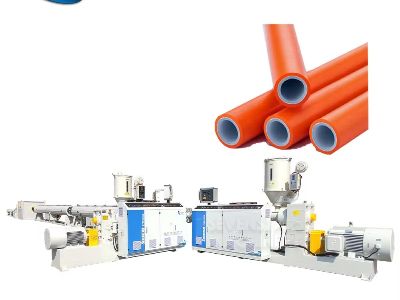
In the world of pipe production, achieving high levels of repeatability and traceability is critical for ensuring quality and efficiency. PLC-based pipe production control systems offer manufacturers a robust solution to these challenges. By integrating programmable logic controllers (PLCs) into the extrusion process, companies can significantly improve operational consistency, track production data, and streamline quality assurance processes. This article will explore how PLC-based control enhances pipe production repeatability, evaluate the quality of PLC-controlled systems, discuss sourcing reliable solutions, outline cost factors, and identify common production issues and their PLC-based solutions.
How PLC-Based Control Enhances Pipe Production Repeatability?
PLC-based control systems are essential for achieving high repeatability in pipe production. These systems automate the monitoring and adjustment of various parameters such as temperature, pressure, and feed rates during the extrusion process. This automation minimizes human error and ensures that each production run adheres to predefined specifications. One key advantage is the ability to store and retrieve production recipes. This allows manufacturers to replicate successful production runs consistently, which is particularly valuable for companies producing multi-sized or custom pipes. By accurately controlling parameters, manufacturers can reduce variability in product dimensions and properties, resulting in higher quality and fewer defects. Moreover, PLC systems can perform real-time data logging, enabling manufacturers to track process variations and identify trends. This capability not only aids in immediate corrective action but also supports long-term improvements in production processes based on historical data analysis.
Evaluating the Quality of PLC-Controlled Pipe Production
Evaluating the quality of PLC-controlled pipe production involves examining several critical factors. First, manufacturers should assess the calibration of the PLC system. Regular calibration ensures that sensors and actuators are functioning correctly, which directly impacts the quality of the finished product.
Quality control processes should incorporate checks for dimensional accuracy, material consistency, and surface finish. PLCs can automate many of these checks, providing real-time feedback to operators. Additionally, employing statistical process control (SPC) methods within the PLC framework allows manufacturers to monitor pvc pipe machine quality continuously and make adjustments as necessary. Another important aspect is the integration of quality assurance protocols within the PLC system. This includes implementing features such as automatic alerts for deviations from set parameters, ensuring that any potential issues are addressed before they result in significant production errors.
Where to Source Reliable PLC-Based Pipe Production Solutions?
Sourcing reliable PLC-based pipe production solutions requires evaluating both the technology and the supplier’s capabilities. Manufacturers should look for suppliers with proven experience in the industry and a track record of successful installations. It’s essential to assess the supplier’s technical support and after-sales service, as these can significantly influence the effectiveness of the PLC system in the long run.
When evaluating specific solutions, consider the compatibility of the PLC with existing equipment. A tailored solution may be necessary, particularly for companies with unique pvc pipe manufacturing machine requirements or legacy systems. Buyers should also inquire about customization options to ensure that the PLC system can be adapted to specific production processes. Additionally, check for certifications and compliance with industry standards. This not only reflects the quality of the equipment but also assures that the system meets safety and operational guidelines.
Cost Factors to Consider for PLC Pipe Production Systems
When considering the implementation of PLC-based pipe production systems, several cost factors must be evaluated. Initial investment costs can vary significantly based on the complexity of the system and the specific features required. Buyers should prepare for both upfront costs and ongoing expenses related to maintenance and software updates. Another factor is the potential for cost savings through improved efficiency and reduced waste. By minimizing defects and ensuring consistent product quality, manufacturers can decrease rework and scrap, leading to lower overall pvc pipe making machine costs. It’s essential to conduct a thorough cost-benefit analysis to understand the return on investment (ROI) associated with upgrading to a PLC-based system. Training costs should also be factored in, as operators may require training to effectively use and troubleshoot the new system. Ensure that the supplier provides comprehensive training programs as part of the purchase agreement.
Common Problems in Pipe Production and PLC Solutions
Despite the advantages of PLC systems, common problems can still arise during pipe production. One frequent issue is material inconsistency, which can be addressed through real-time monitoring and adjustment capabilities of PLCs. By integrating material feed sensors, the PLC can automatically adjust feed rates to compensate for variations in material quality. Another issue is equipment malfunctions, which can lead to production downtime. PLCs can help mitigate this by providing diagnostic information that allows for quicker identification of problems. Implementing predictive maintenance strategies through PLC data can also help avoid unexpected breakdowns. Lastly, ensuring proper training and familiarity with the PLC system among staff is vital. A lack of understanding can lead to incorrect settings or failures to respond to alerts. Regular training sessions and clear operational protocols can enhance staff confidence and improve overall system performance. By addressing these common issues with PLC solutions, manufacturers can enhance their production processes and ensure consistent quality in their pipe products.