
 EN
EN
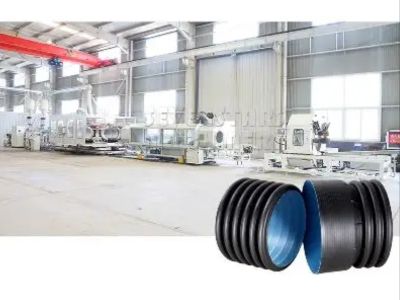
Understanding how cooling system performance influences pvc pipe making machine production stability is crucial for manufacturers in the plastic pipe extrusion industry. A reliable cooling system directly affects the quality and consistency of pipe production, which are essential factors for purchasing managers and manufacturers. This article will explore how cooling systems impact production stability, common issues faced, solutions for enhanced efficiency, how to select an effective system, and a comparison of cooling system options.
How Cooling System Performance Affects Pipe Production Stability
The cooling system plays a pivotal role in the extrusion process of plastic pipes. During production, the pipe must cool uniformly to maintain its shape, dimensions, and mechanical properties. Inconsistent cooling can lead to warping, dimensional inaccuracies, and surface defects. For instance, if the cooling water temperature fluctuates, it can affect the cooling rate, causing uneven solidification. This can result in pipes that do not meet the specified tolerances, leading to increased waste and production delays.
A high-performing cooling system can reduce energy costs while ensuring optimal product quality. Manufacturers must consider both the initial investment and the long-term operational costs when evaluating cooling systems to ensure they achieve a balance between performance and cost-effectiveness.
Common Problems with Cooling Systems and Their Impact on Production
Several issues can arise with cooling systems that can hinder production stability. One common problem is the build-up of impurities in the cooling water, which can lead to blockages in the piping and decrease cooling efficiency. Additionally, insufficient water flow can cause localized overheating, resulting in defects in the extruded pipe.
Another issue is the improper calibration of temperature control devices. If these devices do not respond accurately to changes in water temperature, it can lead to inconsistent cooling rates. Manufacturers often find that monitoring water quality and flow rates, as well as regularly calibrating temperature sensors, are vital steps in preventing these problems.
Lastly, the choice of materials used in the cooling system can lead to corrosion or scaling, impacting both performance and maintenance costs. Selecting corrosion-resistant materials and implementing a regular maintenance schedule can mitigate these risks, ensuring the cooling system functions optimally over time.
Solutions to Enhance Cooling Efficiency in Pipe Extrusion Processes
To enhance cooling efficiency in pipe extrusion, manufacturers can adopt several strategies. First, implementing a closed-loop cooling system can improve water temperature control and reduce the risk of contamination. This system recycles water, allowing for consistent cooling and minimizing energy consumption.
Second, using advanced cooling technologies, such as chillers or heat exchangers, can optimize temperature management. These technologies can maintain a stable cooling environment, which is crucial for achieving uniform pipe quality.
Furthermore, regular maintenance of the cooling system is essential. This includes cleaning filters, checking for leaks, and ensuring that pumps operate efficiently. By maintaining the cooling system, manufacturers can prevent performance degradation and extend the lifespan of their equipment.
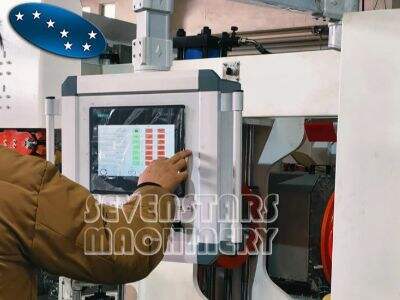
Lastly, integrating real-time monitoring systems can provide valuable data on cooling performance, allowing for prompt adjustments to be made when necessary. This proactive approach can help maintain production stability and improve overall efficiency.
How to Choose an Effective Cooling System for Pipe Production
When selecting a cooling system for pipe production, several factors should be considered. First, assess the required cooling capacity based on the production volume and type of pipe being produced. Larger production runs may demand more robust cooling solutions to manage heat effectively.
Next, consider the type of cooling method. Options include water cooling, air cooling, and specialized systems like liquid nitrogen cooling, each offering unique advantages. Water cooling is typically preferred for its efficiency and effectiveness, but the choice should align with the specific production requirements and environmental considerations.
Material compatibility is also crucial. The cooling system should be constructed from materials that can withstand the chemical properties of the coolant used, as well as the operating temperatures involved. Corrosion-resistant materials will ensure longevity and reduce maintenance costs.
Finally, evaluate the system's flexibility for integration with existing production lines. A cooling system that can be easily adapted or expanded will provide greater long-term value, allowing manufacturers to adjust to future production needs without significant additional investment.
Comparing Cooling System Options for Optimal Manufacturing Performance
When comparing cooling system options, manufacturers should weigh the pros and cons of each type:
Water Cooling Systems: Highly efficient and commonly used in pvc pipe manufacturing machine processes. They offer precise temperature control but require a reliable source of clean water and regular maintenance to prevent scaling and contamination.
Air Cooling Systems: Less efficient than water cooling but can be suitable for smaller operations or where water availability is limited. They require more space and may not provide the same level of temperature control.
Chilled Water Systems: These systems provide excellent temperature control and can adapt to varying production demands. However, they involve higher initial costs and require careful management to ensure efficiency.
Closed-loop Systems: Ideal for large-scale manufacturers, these systems recycle cooling water, reducing waste and energy consumption. They require an upfront investment but can lead to significant long-term savings.
Heat Exchangers: These systems can be integrated into existing processes and are effective at managing heat loads. They can be expensive to install but offer excellent temperature control and energy savings in the long run.
In summary, the choice of a cooling system should be based on an analysis of production needs, cost considerations, and the specific requirements of the pipe being produced. By making informed decisions regarding cooling systems, manufacturers can enhance production stability and improve overall product quality.
Table of Contents
- How Cooling System Performance Affects Pipe Production Stability
- Common Problems with Cooling Systems and Their Impact on Production
- Solutions to Enhance Cooling Efficiency in Pipe Extrusion Processes
- How to Choose an Effective Cooling System for Pipe Production
- Comparing Cooling System Options for Optimal Manufacturing Performance