
 EN
EN
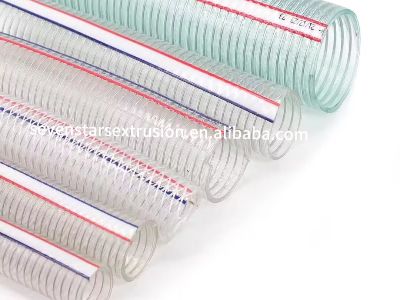
Predictive maintenance is an increasingly vital strategy for minimizing unexpected pipeline downtime, particularly in industries relying on plastic pipe extrusion lines. By employing data-driven insights and advanced monitoring techniques, manufacturers and operators can foresee equipment issues before they escalate into significant problems. This article will delve into how predictive maintenance enhances pipeline reliability and performance, guide buyers on selecting the right supplier, and outline essential specifications and technologies related to predictive maintenance for pipeline systems.
How Predictive Maintenance Enhances Pipeline Reliability and Performance?
Predictive maintenance leverages real-time data to assess equipment health and operational efficiency. This proactive approach allows manufacturers to identify potential failures and address them before they lead to unscheduled downtime, which can be costly in terms of lost production and revenue.
In the context of plastic pipe extrusion lines, predictive maintenance can help monitor critical components such as extruders, cooling systems, and cutting machines. For instance, vibration analysis can detect anomalies in motor bearings, while thermal imaging can identify overheating components. By understanding these indicators, manufacturers can schedule maintenance during planned downtimes, ensuring continuous operation and reducing the risk of unexpected failures. With 20 years of expertise in the manufacturing of high-efficiency, low-energy plastic pipe extruder lines, Zhangjiagang Sevenstars Machinery recognizes the importance of predictive maintenance. Implementing this strategy not only enhances the performance of the extrusion process but also extends the lifespan of machinery, ensuring clients benefit from optimal productivity.
What to Consider When Choosing a Supplier for Predictive Maintenance Solutions?
When evaluating suppliers for predictive maintenance solutions, consider their experience in the industry, the technologies they employ, and their ability to customize solutions based on specific operational needs. A reputable supplier should have a proven track record in servicing pipeline systems, as well as a strong understanding of the unique challenges faced in the plastic extrusion sector. It's essential to inquire about the tools and software they use for data collection and analysis. Look for suppliers that integrate advanced analytics, machine learning, and IoT (Internet of Things) technologies. These capabilities are crucial for providing actionable insights and facilitating timely interventions. Additionally, assess the supplier's support services, such as training for your team and ongoing technical assistance. A strong partnership with a supplier who provides comprehensive service and support will ensure that predictive maintenance practices are effectively implemented and maintained.
Key Specifications for Predictive Maintenance in Pipe Line Systems
Several specifications are critical when implementing predictive maintenance in pipeline systems. These include:
Sensor Technology: The quality and type of sensors used for monitoring equipment performance can significantly affect the accuracy of predictive maintenance. Consider sensors that monitor vibration, temperature, and pressure.
Data Analytics Capabilities: The software used to analyze data should be robust and capable of handling large datasets. Look for solutions that provide real-time monitoring and can generate predictive insights based on historical data.
Integration with Existing Systems: Ensure that any predictive maintenance solution can seamlessly integrate with your current manufacturing and monitoring systems. This integration is crucial for ensuring that data flows smoothly between different platforms.
User Interface and Reporting: A user-friendly interface is essential for quick decision-making. The system should provide clear reporting that highlights potential issues and suggests appropriate actions.
Scalability: As your operations grow, your predictive maintenance solution should be able to scale accordingly. Evaluate suppliers based on their ability to adapt the system to increasing complexity or additional machinery.
By focusing on these specifications, companies can better prepare their plastic pipe extruder systems for predictive maintenance, ultimately reducing downtime and enhancing productivity.
Where to Find High-Quality Predictive Maintenance Technologies for Pipelines?
High-quality predictive maintenance technologies can be sourced from specialized manufacturers and technology providers with a focus on industrial applications. Look for suppliers who have a strong reputation in the plastic extrusion industry, as they will understand the specific needs and challenges of pipeline systems. Industry trade shows, conferences, and pvc pipe extruder forums are excellent resources for discovering innovative technologies and networking with potential suppliers. Additionally, consider seeking recommendations from industry peers who have successfully implemented predictive maintenance solutions. When assessing potential suppliers, request demonstrations of their technologies and case studies showcasing their effectiveness. This will not only give you insights into the technology itself but also how it has performed in real-world applications.
What Buyers Need to Know?
For buyers interested in implementing predictive maintenance, there are several key considerations to keep in mind:
Understand Your Needs: Clearly define your operational goals, such as reducing downtime, improving efficiency, or extending equipment lifespan. This understanding will help narrow down suitable predictive maintenance solutions.
Request Detailed Proposals: When contacting potential suppliers, provide comprehensive information about your current systems and specific requirements. This includes details such as the types of machinery in use, production capacity, and any previous challenges faced.
Evaluate Costs vs. Benefits: While the initial investment in predictive maintenance technology may seem high, consider the long-term savings from reduced downtime and maintenance costs. Perform a cost-benefit analysis to assess the potential return on investment.
Plan for Training and Support: Ensure that your team receives adequate training on the new systems and processes. Ongoing support from the supplier is also crucial for troubleshooting and optimizing the predictive maintenance approach.
By keeping these considerations in mind, buyers can make informed decisions when selecting predictive maintenance technologies, ultimately enhancing the reliability and performance of their pipeline systems.
Table of Contents
- How Predictive Maintenance Enhances Pipeline Reliability and Performance?
- What to Consider When Choosing a Supplier for Predictive Maintenance Solutions?
- Key Specifications for Predictive Maintenance in Pipe Line Systems
- Where to Find High-Quality Predictive Maintenance Technologies for Pipelines?
- What Buyers Need to Know?