
 EN
EN
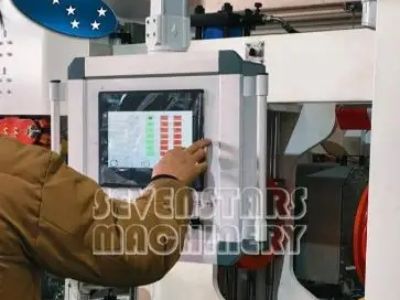
In the realm of automated pipe manufacturing, the integration of servo motion control technology is revolutionizing production processes by enhancing precision and efficiency. This article delves into how servo motion control improves precision in automated pipe manufacturing, addressing key specifications, cost benefits, and installation guidance, making it a vital resource for purchasing managers, engineers, and product managers seeking to optimize their manufacturing operations
How Servo Motion Control Enhances Precision in Pipe Manufacturing
Servo motion control systems utilize advanced algorithms and feedback mechanisms to ensure that machinery operates with high accuracy and repeatability. In pipe manufacturing, where tolerances are critical, servo systems allow for precise control over extrusion speeds, temperature, and pressure. This level of control helps maintain consistent wall thickness and surface quality, which are essential for meeting stringent industry standards
The ability to program motion profiles enables manufacturers to tailor production parameters to specific pipe specifications, accommodating variations in material and design. As a result, manufacturers can achieve tighter tolerances, reduce waste, and enhance product quality. Moreover, servo systems can adapt to different production runs without requiring extensive mechanical adjustments, thus improving overall operational efficiency
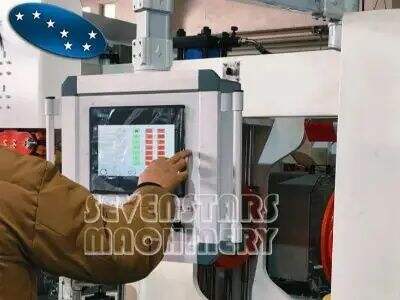
Key Specifications for Servo Motion Control in Pipe Production
When evaluating servo motion control systems for pipe manufacturing, several key specifications should be considered
Precision Levels: Look for systems that offer high-resolution feedback mechanisms, such as encoders with at least 1,000 counts per revolution. This precision ensures that even minute adjustments in speed and position are accurately executed
-
Response Time: The responsiveness of the servo system is crucial in high-speed applications. A system with a rapid response time, typically under 10 milliseconds, can quickly adapt to changes in production conditions, enhancing overall performance
Load Capacity: Choose servo motors that can handle the weight and inertia of the equipment they will drive. This specification is particularly important in pipe extrusion, where heavy molds and dies are common
Torque Output: Evaluate the torque output, which should match the requirements of your specific extrusion applications. Insufficient torque can lead to poor performance and compromised product quality
Control Interface: Ensure the servo system is compatible with existing control interfaces or can be easily integrated into your current manufacturing setup
By carefully selecting a servo motion control system with the right specifications, manufacturers can significantly enhance the precision of their pipe production processes
Cost Benefits of Implementing Servo Motion Control Technology
Investing in servo motion control technology can lead to substantial cost savings in the long run. Here are some cost benefits to consider
Reduced Material Waste: With improved precision, manufacturers can minimize material waste caused by defects. This reduction not only lowers material costs but also decreases the environmental impact of production
Lower Energy Consumption: Servo motors are typically more energy-efficient than traditional motors, leading to lower utility bills. This efficiency is particularly beneficial in high-volume operations where energy costs can add up significantly
Minimized Downtime: The adaptability of servo systems allows for quicker changeovers and less downtime during production. Fewer machine adjustments mean that production can continue uninterrupted, maximizing output
Extended Equipment Lifespan: Servo systems operate with less strain than traditional systems, which can lead to reduced wear and tear. This longevity translates into lower maintenance costs and extended equipment life
Higher Product Quality: The enhanced quality that comes from precise control can lead to fewer customer complaints and returns, ultimately improving profitability
By weighing these cost benefits, manufacturers can justify the initial investment in servo motion control technology
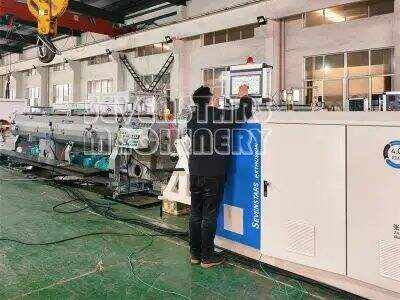
Servo Motion vs. Traditional Control Methods
Servo motion control systems differ significantly from traditional control methods, such as AC or DC motors, particularly in terms of precision and efficiency. Here are some key differences
Precision: Servo systems provide significantly higher precision than traditional methods, which often rely on open-loop control. This precision is essential in applications where exact measurements are critical, such as in maintaining consistent pipe diameters
Feedback Mechanism: Servo systems use feedback loops to continuously monitor and adjust performance, while traditional systems operate on pre-set parameters without real-time adjustments. This feedback helps mitigate errors and improve overall quality
Energy Efficiency: Servo motors consume power only when needed, whereas traditional motors may run continuously, leading to increased energy costs. This energy efficiency is particularly beneficial in high-volume manufacturing environments
Flexibility: Servo systems can easily adapt to varying production requirements without extensive mechanical changes, allowing manufacturers to quickly switch between different pipe sizes or specifications
Recognizing these differences is crucial for manufacturers looking to upgrade their production capabilities and enhance overall efficiency
Installation Guidance for Servo Motion Systems in Pipe Lines
Installing servo motion control systems in pipe manufacturing lines requires careful planning and execution. Here are some key considerations
Compatibility Assessment: Before installation, assess the compatibility of the servo system with existing machinery. Ensure that control interfaces and physical dimensions align to avoid costly modifications
System Configuration: Configure the servo system according to the specific requirements of your production line. This may involve setting up control parameters, programming motion profiles, and integrating safety features
Testing and Calibration: Once installed, conduct thorough testing to ensure the system operates correctly under various conditions. Calibration may be necessary to fine-tune performance and achieve desired precision levels
Operator Training: Provide comprehensive training for operators to familiarize them with the new system’s functions and safety protocols. Well-trained staff can significantly reduce the risk of operational errors
Regular Maintenance: Establish a maintenance schedule to keep the servo system in optimal condition. Regular inspections and servicing can prolong the life of the equipment and maintain its performance
By following these installation guidelines, manufacturers can ensure a smooth transition to servo motion control technology, maximizing its benefits from the outset