
 EN
EN
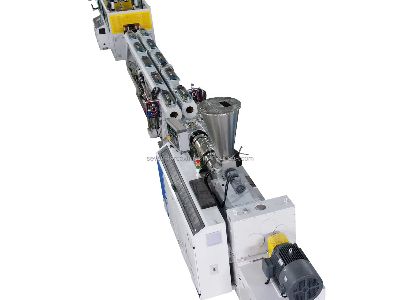
Understanding how machine alignment affects long-length pipe straightness is crucial for manufacturers in the plastic pipe extrusion industry. Proper alignment is essential not only for ensuring the quality of the final product but also for minimizing production downtime and maximizing equipment lifespan. Buyers, including purchasing managers and engineers, need to grasp how alignment impacts pipe straightness and the subsequent implications for performance and cost. This article will delve into the relationship between machine alignment and pipe straightness, discussing key specifications, cost factors, best practices for installation, and real-world applications.
Machine Alignment vs. Pipe Straightness
Machine alignment refers to the precise positioning of machinery in relation to one another, ensuring that they operate in harmony. In the context of plastic pipe extrusion, proper alignment is vital for maintaining the straightness of long-length pipes. When machines are misaligned, it can lead to uneven extrusion, causing the pipe to warp or bend. This not only affects the aesthetic quality of the product but also its functionality, as deformations can lead to issues in fitting or performance under pressure. For instance, a misaligned extruder might produce pipes with varying wall thicknesses. Such inconsistencies can compromise the pipe's integrity, making it susceptible to cracking or failing under pressure. To ensure optimal pipe straightness, manufacturers should prioritize accurate pvc extruder machine alignment during setup and throughout the production process. Regular inspections and adjustments can mitigate the risks of misalignment, thereby enhancing the overall quality of the pipes produced.
Key Specifications for Pipe Straightness and Alignment Techniques
Several key specifications play a critical role in determining the straightness of pipes during extrusion. These include wall thickness uniformity, diameter consistency, and overall pipe length. For long-length pipes, the straightness tolerance is particularly important typically, manufacturers aim for a straightness tolerance of no more than a few millimeters over a length of several meters. Alignment techniques vary based on the pvc pipe making machine used. For example, laser alignment tools can provide precise measurements to ensure that extruders and downstream equipment are correctly positioned. Additionally, using adjustable mounting systems allows for fine-tuning of alignment, accommodating minor shifts that may occur during the production process. Understanding these specifications and employing the right alignment techniques can significantly reduce the incidence of defects, leading to higher-quality products and more efficient production runs.
Understanding the Cost Factors of Machine Alignment in Manufacturing
Investing in precise machine alignment can lead to substantial cost savings in the long run. Misalignment can result in increased wear and tear on machinery, leading to higher maintenance costs and potential production delays. Furthermore, producing non-compliant pipes necessitates rework or scrap, directly impacting material costs and overall profitability.
When calculating the costs associated with machine alignment, manufacturers should consider several factors, including:
Initial Equipment Investment: The cost of purchasing alignment tools and technology.
Labor Costs: Time spent on training staff and performing regular alignment checks.
Downtime: Potential production losses incurred from pvc pipe manufacturing machine misalignment and the subsequent need for repairs.
Quality Control: Expenses related to inspecting and reworking defective products.
By prioritizing machine alignment, manufacturers can enhance productivity and minimize waste, ultimately leading to a more favorable bottom line.
Best Practices for Ensuring Pipe Straightness During Installation
When installing pipe extrusion equipment, adhering to best practices can significantly enhance pipe straightness. Here are several key recommendations:
Conduct a Thorough Site Assessment: Before installation, evaluate the workspace to ensure that the foundation is stable and level. Uneven surfaces can lead to misalignment.
Utilize Precision Tools: Employ laser alignment systems and level gauges during installation to achieve the highest accuracy in machine positioning.
Regular Calibration: Schedule routine calibration of machinery to account for any shifts or wear that may occur over time.
Train Personnel: Ensure that all operators are trained in alignment best practices and understand the importance of maintaining proper alignment throughout the production process.
Document Alignment Procedures: Keeping a record of alignment settings and adjustments can help in tracking performance over time and identifying issues early.
By following these practices, manufacturers can ensure that their equipment operates optimally, producing high-quality straight pipes consistently.
Applications of Proper Machine Alignment in Pipe Manufacturing
Proper machine alignment has several applications within the pipe manufacturing process, particularly in the production of long-length pipes. For example, in industries such as construction and plumbing, where precise dimensions and straightness are critical, maintaining alignment ensures that pipes fit correctly during installation. Misaligned pipes can lead to installation challenges, increased labor costs, and potential issues with regulatory compliance. Moreover, in high-pressure applications, such as those found in oil and gas pipelines, the integrity of the pipe is paramount. A straight pipe ensures consistent flow and reduces the risk of leaks or failures, which can be catastrophic. In summary, the relationship between machine alignment and pipe straightness is fundamental to achieving high-quality production outcomes. Manufacturers must remain vigilant in their alignment practices to mitigate defects, reduce costs, and ensure that their products meet industry standards. By leveraging the insights provided, B2B buyers can make informed decisions regarding equipment selection and maintenance, ultimately driving operational excellence in their manufacturing processes.
Table of Contents
- Machine Alignment vs. Pipe Straightness
- Key Specifications for Pipe Straightness and Alignment Techniques
- Understanding the Cost Factors of Machine Alignment in Manufacturing
- Best Practices for Ensuring Pipe Straightness During Installation
- Applications of Proper Machine Alignment in Pipe Manufacturing