
 EN
EN
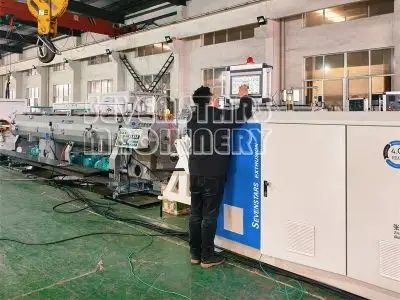
Inline inspection systems are critical tools in pipe manufacturing, enhancing defect detection and ensuring product quality. These systems enable manufacturers to monitor and evaluate products in real time, addressing key concerns such as performance reliability, production efficiency, and cost-effectiveness. This article delves into how inline inspection systems improve defect detection in pipe manufacturing, guiding purchasing managers and engineers to make informed decisions regarding their implementation
How Inline Inspection Systems Enhance Pipe Manufacturing Quality
Inline inspection systems play a pivotal role in enhancing the quality of pipes produced during extrusion processes. By integrating inspection at various stages of production, manufacturers can swiftly identify defects like dimensional inconsistencies, surface imperfections, and material faults. This proactive approach minimizes the risk of flawed products reaching customers, thereby reducing scrap rates and rework costs
The systems leverage advanced technologies such as high-resolution cameras and sensors to capture detailed images and data. This facilitates real-time analysis, allowing manufacturers to adjust parameters on the fly. For instance, if a defect is detected, operators can immediately alter extrusion speeds or temperature settings, maintaining high-quality output. As a result, inline inspection systems not only bolster product integrity but also enhance overall operational efficiency
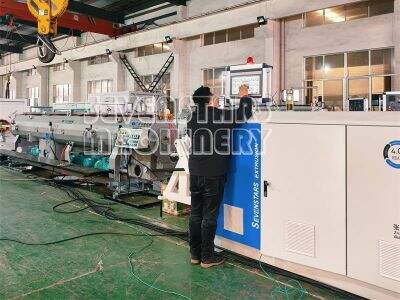
What to Consider When Choosing Inline Inspection for Defect Detection
When selecting an inline inspection system, several factors must be considered to ensure it meets specific manufacturing needs. First, the type of defects most prevalent in your production should guide your selection. For example, if surface defects are a common issue, a system with advanced imaging capabilities may be necessary
Another important consideration is the system's compatibility with existing production equipment. It's essential to ensure that the inspection technology can seamlessly integrate into current processes without causing disruptions. Additionally, the system should offer flexibility for customization, allowing it to adapt to different pipe sizes and materials
Moreover, evaluate the data analytics capabilities of the system. Robust analytics can provide insights into production trends and recurring issues, enabling more informed decision-making. Lastly, consider the support and service provided by the manufacturer, as prompt assistance can significantly reduce downtime during implementation and operation
Key Specifications for Effective Inline Inspection Systems in Manufacturing
Several specifications are critical for the effective performance of inline inspection systems in pipe manufacturing
Resolution: High-resolution imaging is essential for detecting small defects. Systems with resolutions of 1 megapixel or higher are typically recommended for detailed inspections
Speed: The inspection system must operate at the same speed as the extrusion line to ensure efficiency. Systems capable of processing images in milliseconds can help maintain production flow
Lighting: Proper lighting conditions are crucial for accurate defect detection. Systems should offer adjustable lighting options to accommodate different materials and surface finishes
Software Compatibility: Advanced software that can analyze the captured data and generate reports is vital. Look for systems that can integrate with existing manufacturing execution systems (MES) for streamlined operations
Durability: Given the industrial environment, the inspection system should be robust and able to withstand exposure to dust, moisture, and temperature fluctuations
By considering these specifications, manufacturers can select inline inspection systems that enhance defect detection while aligning with their production requirements
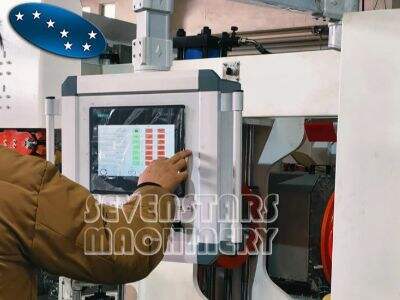
Common Problems in Pipe Manufacturing and How Inline Inspection Solves Them
Pipe manufacturing can encounter several common problems, including dimensional inaccuracies, surface defects, and material inconsistencies. Inline inspection systems provide effective solutions to these challenges
Dimensional Inaccuracies: Variations in pipe dimensions can lead to compatibility issues during installation. Inline inspection systems can continuously measure pipe dimensions and immediately alert operators to any deviations from specified tolerances, allowing for prompt adjustments
Surface Defects: Surface imperfections such as scratches, dents, or discoloration can compromise the aesthetic and functional quality of pipes. With high-resolution imaging capabilities, inline inspection systems can detect these defects in real time, ensuring that only high-quality products proceed to the next production stage
Material Inconsistencies: Issues like improper mixing of materials can result in weak or brittle pipes. Inline inspection systems can assess material integrity through non-destructive testing methods, ensuring that all products meet required strength standards
By addressing these common manufacturing problems, inline inspection systems help maintain high quality and reliability in pipe production, ultimately enhancing customer satisfaction
Which is Best for Your Needs
Choosing the right inline inspection system depends on your specific manufacturing requirements and the types of pipes produced. Start by assessing your production volume and the complexity of your pipe specifications. For high-volume production lines, a fully automated inspection system that integrates with your machinery may be ideal for maintaining efficiency
Consider the types of defects you most frequently encounter and select a system with the appropriate detection capabilities. For example, if your focus is on high-quality aesthetic finishes, a system with advanced imaging and surface analysis may be necessary
Additionally, evaluate the total cost of ownership, including initial investment, maintenance, and potential downtime savings. Engaging with suppliers like Zhangjiagang Sevenstars Machinery, which specializes in high-efficiency pipe extrusion lines and offers integrated solutions, can provide valuable insights into the best systems for your needs
In summary, investing in an inline inspection system tailored to your specific requirements can significantly improve defect detection in pipe manufacturing, enhancing both quality and operational efficiency
Table of Contents
- How Inline Inspection Systems Enhance Pipe Manufacturing Quality
- What to Consider When Choosing Inline Inspection for Defect Detection
- Key Specifications for Effective Inline Inspection Systems in Manufacturing
- Common Problems in Pipe Manufacturing and How Inline Inspection Solves Them
- Which is Best for Your Needs