
 EN
EN
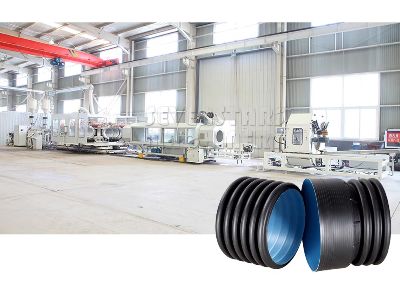
In the realm of plastic pipe manufacturing, the performance of pipe making machine drive systems is critical to meeting production demands efficiently. These drive systems, which include the motors that power the machinery, must be matched perfectly to ensure high-quality output while minimizing energy consumption. This article delves into the key specifications for high-quality pvc pipe making machine, evaluates reliable suppliers, discusses the cost factors to consider when purchasing these systems, provides installation guidance for optimizing efficiency, and explains the material advantages in pipe making machine drives. By addressing these aspects, B2B buyers can make informed decisions that align with their production requirements.
Key Specifications for High-Quality Pipe Making Machine Motors
When selecting motors for pipe making machines, several specifications are crucial to ensure optimal performance. Key specifications include power rating, torque characteristics, speed control, and energy efficiency.
Power Rating: This denotes the motor's capacity to handle specific production loads. A motor with insufficient power may struggle under high demands, leading to production delays or equipment failure. Buyers should assess their production output requirements to determine the appropriate power rating.
Torque Characteristics: Torque is essential for starting and maintaining the movement of the machine. High starting torque is particularly important for overcoming inertia when machines begin to operate. Buyers should consider the torque requirements based on the types of pipes being produced and their respective thicknesses.
Speed Control: The ability to adjust the motor speed directly affects the extrusion process. Precise speed control allows manufacturers to produce pipes of varying diameters and wall thicknesses without compromising quality. Variable frequency drives (VFDs) are commonly used for this purpose, enabling smooth adjustments and reducing energy consumption.
Energy Efficiency: Energy-efficient motors not only reduce operational costs but also contribute to sustainability efforts. Look for motors with high-efficiency ratings to lower energy consumption without sacrificing performance.
Understanding these specifications enables buyers to choose motors that align with their production requirements, ensuring efficiency and quality in their operations.
Reliable Suppliers of Drive Systems for Pipes
Choosing a reliable supplier for pipe making machine drive systems is paramount to ensuring consistent quality and performance. A reputable supplier should have a proven track record in the industry, offer comprehensive technical support, and provide customization options to meet specific project needs.
Industry Experience: Suppliers with extensive experience in manufacturing and supplying drive systems for pipe extrusion are more likely to understand the unique challenges faced by buyers. Look for companies that specialize in plastic pvc pipe making machine price, like Zhangjiagang Sevenstars Machinery, which has 20 years of expertise in the field.
Technical Support: A supplier that offers robust technical support can assist in troubleshooting and optimizing machine performance. This support is crucial during installation and maintenance phases, helping to minimize downtime.
Customization Capabilities: Different production lines may require specific configurations for motors and drive systems. Suppliers that can tailor solutions to meet unique operational needs can provide significant advantages in performance and efficiency.
Quality Assurance: Ensure that the supplier adheres to stringent quality control processes and has relevant certifications. This helps guarantee that the drive systems meet international standards and perform reliably in demanding industrial environments.
By evaluating these factors, buyers can select a supplier that not only provides high-quality products but also supports their operational goals.
Cost Factors to Consider When Purchasing Drive Systems
When purchasing drive systems for pipe making machines, several cost factors should be evaluated to ensure a sound investment. The initial purchase price is just one aspect of the overall cost of ownership.
Initial Purchase Price: While it may be tempting to opt for the lowest-priced option, buyers should consider the long-term implications of their choice. Cheaper models may compromise on durability and efficiency, leading to increased operational costs over time.
Energy Consumption: Energy-efficient motors, while potentially costing more upfront, can lead to substantial savings on electricity bills. Evaluating the energy consumption of different motor options can help buyers calculate the total cost of ownership.
Maintenance Costs: Regular maintenance is necessary to ensure the longevity and performance of drive systems. Buyers should inquire about the expected maintenance frequency and costs associated with each motor type.
Downtime Impact: Consider the potential costs associated with machine downtime due to equipment failure. Investing in reliable, high-quality motors can minimize the risk of breakdowns and the associated loss of production.
Customization Costs: If specific customization is required, buyers should factor in any additional costs associated with modification or extra features. Understanding the full scope of customization options can help avoid surprise expenses later on.
By thoroughly evaluating these cost factors, buyers can make informed decisions that align with their operational budgets and long-term goals.
Installation Guidance for Optimizing Pipe Making Machine Efficiency
Proper installation of drive systems is essential for maximizing the efficiency of pipe making machines. Here are key considerations to ensure a successful installation process:
Site Preparation: Before installation, ensure that the installation site is adequately prepared, with sufficient space and infrastructure to accommodate the machinery. This includes stable flooring and access to power sources.
Alignment and Mounting: Proper alignment of the motor with the drive components is critical. Misalignment can lead to excessive wear and reduced efficiency. Use alignment tools and techniques to ensure that the motor is mounted correctly.
Electrical Connections: Ensure that all electrical connections are secure and comply with local regulations. Inadequate wiring can lead to power losses and pose safety risks. Engage a qualified technician to oversee electrical installations when necessary.
Testing and Calibration: Once installed, conduct thorough testing and calibration of the drive system. Monitor performance metrics such as speed, torque, and energy consumption to identify any adjustments that may be necessary for optimal operation.
Training for Operators: Provide adequate training for operators on the proper use and maintenance of the drive systems. Well-informed operators can help prevent operational issues and ensure that the machinery functions smoothly.
By following these installation guidelines, manufacturers can enhance the overall efficiency of their plastic pipe making machine and reduce the likelihood of operational disruptions.
Understanding Material Advantages in Pipe Making Machine Drives
The materials used in manufacturing drive systems for pipe making machines can significantly impact performance, durability, and cost-effectiveness. Understanding these material advantages can help buyers make informed choices.
Metal Alloys: Many drive components are made from high-strength metal alloys, which provide durability and resistance to wear. These materials can withstand the mechanical stresses associated with continuous operation, extending the lifespan of the drive system.
Composites: Advanced composite materials are often used in specific components, offering a balance of strength and lightweight properties. This can enhance the overall efficiency of the system by reducing the load on motors.
Heat Resistance: Materials with high thermal resistance are essential in drive systems, particularly in environments where heat generation is a concern. Selecting components that can withstand elevated temperatures can prevent failure and costly downtime.
Corrosion Resistance: In some production environments, exposure to moisture or chemicals is inevitable. Components made from corrosion-resistant materials will have a longer service life and require less maintenance, which is crucial for maintaining operational efficiency.
Customization Options: Different applications may require specific material characteristics. Engaging with suppliers that offer customization options allows manufacturers to select materials that align with their operational needs, ensuring optimal performance.
By understanding the advantages of different materials, buyers can select drive systems that not only meet their production demands but also enhance the longevity and reliability of their equipment.