
 EN
EN
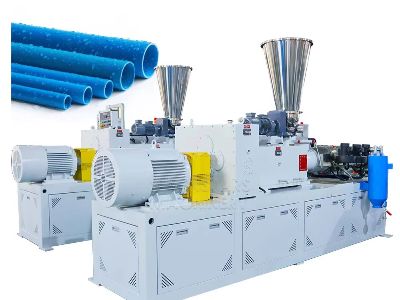
To ensure the quality and durability of PVC pipes, it's essential to understand how to prevent black spots and degradation during the PVC pipe extrusion process. These defects can compromise the structural integrity and functionality of the pipes, leading to significant operational issues for manufacturers and end-users alike. This article aims to provide valuable insights into the factors affecting PVC pipe quality, practical best practices for preventing degradation, supplier evaluation criteria, cost considerations for machinery, and installation guidance for optimal performance.
Understanding the Impact of Material Quality on PVC Pipe Durability
The quality of the materials used in PVC pipe extrusion directly influences the durability and performance of the finished product. High-quality PVC resin is crucial as it determines the pipe's resistance to environmental stressors, chemical exposure, and mechanical load. PVC resin with low thermal stability may lead to degradation during the extrusion process, resulting in black spots or discoloration. Buyers should evaluate the material specifications, such as the K-value of the PVC resin, which indicates its molecular weight and stiffness. A higher K- value generally leads to better mechanical properties and durability. Additionally, the presence of stabilizers and additives can significantly enhance the pvc pipe making machine resistance to UV light and heat, reducing the risk of degradation. It’s advisable for buyers to source materials from reputable suppliers who can provide documentation of material quality and compliance with industry standards.
Best Practices for Preventing Degradation During PVC Pipe Extrusion
To minimize degradation during the extrusion process, several best practices can be implemented. Firstly, maintaining optimal temperature settings is critical. Excessive heat can lead to thermal degradation of the PVC, resulting in black spots and a weakened structure. It's essential to monitor the temperature closely throughout the extrusion process and adjust the feed rate and screw speed accordingly. Another key consideration is the moisture content of the PVC material. Excess moisture can lead to hydrolysis, which degrades the material and leads to defects in the final product. It is advisable to use a desiccant dryer to ensure that the PVC resin is adequately dried before processing. Implementing a stringent quality control process that includes regular sampling and testing of the extruded pipes can also help identify issues early on, allowing for corrective measures before mass production.
Where to Find Reliable Suppliers for PVC Pipe Extrusion Machinery?
Choosing the right supplier for PVC pipe extrusion machinery is vital for ensuring high-quality production. Look for manufacturers with a proven track record in the industry and those who provide comprehensive support services, including installation, training, and maintenance. It’s beneficial to assess the supplier’s experience, particularly in producing machinery for your specific application, as different types of PVC pipes may require specialized equipment.
Additionally, consider suppliers who offer customization options for their machines. This flexibility can be crucial for addressing specific production needs, such as varying pvc pipe manufacturing machine diameters or wall thicknesses. Don't hesitate to request case studies or references from existing clients to gauge the supplier's reliability and performance in real-world applications.
Cost Factors to Consider When Purchasing PVC Pipe Extrusion Lines
When evaluating the costs associated with PVC pipe extrusion lines, several factors come into play. Initial equipment costs can vary significantly based on the machine’s capabilities, automation level, and customization features. However, the total cost of ownership should also include operational expenses, such as energy consumption, maintenance requirements, and the cost of spare parts. It’s also essential to consider the expected production capacity and how it aligns with your business needs. A higher-capacity machine might have a greater upfront cost but could lead to lower per-unit production costs over time. Buyers should perform a thorough cost-benefit analysis that includes potential savings from energy-efficient machinery, as reduced energy consumption can contribute to overall operational savings.
Installation Guidance for Optimal Performance of PVC Pipe Extrusion Systems
Proper installation is critical to the performance of PVC pipe extrusion systems. Begin by ensuring that the installation site meets the manufacturer's specifications regarding space, electrical requirements, and environmental conditions. It’s vital to follow the installation guidelines closely to avoid issues that could affect the machine’s performance. After installation, conducting a thorough commissioning process is essential. This includes verifying all connections, calibrating machine settings, and running trial batches to test for consistency and quality. An experienced technician should be involved in this process to troubleshoot any potential issues that arise. Regular maintenance and adherence to the manufacturer's recommended service schedules can also prolong the lifespan of the extrusion system and maintain its efficiency. By understanding the intricacies of pvc pipe production machine extrusion and implementing best practices, manufacturers can significantly reduce the risk of black spots and degradation, thus ensuring the production of high-quality, durable pipes that meet industry standards.
Table of Contents
- Understanding the Impact of Material Quality on PVC Pipe Durability
- Best Practices for Preventing Degradation During PVC Pipe Extrusion
- Where to Find Reliable Suppliers for PVC Pipe Extrusion Machinery?
- Cost Factors to Consider When Purchasing PVC Pipe Extrusion Lines
- Installation Guidance for Optimal Performance of PVC Pipe Extrusion Systems