
 EN
EN
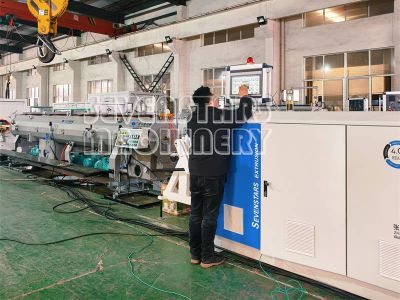
In the realm of PVC pipe manufacturing, the choice between twin-screw and single-screw extruders is pivotal. Each type of extruder offers distinct advantages and drawbacks depending on production requirements, material properties, and the desired end product characteristics. This article will delve into the specifics of twin-screw vs. single-screw extruders for PVC pipe manufacturing, addressing key concerns for B2B buyers such as efficiency, cost-effectiveness, and performance. By the end, you’ll have a clearer understanding of which extruder may best serve your manufacturing needs.
Understanding Twin-Screw vs. Single-Screw Extruders for PVC Pipes
Twin-screw and single-screw extruders are two prevalent technologies used in the production of PVC pipes. A single-screw extruder consists of a single helical screw that conveys the material through a heated barrel, melting and mixing it before forming it into pipes. This type is generally simpler and more cost-effective for straightforward applications. In contrast, twin-screw extruders feature two intermeshing screws that operate in parallel. This configuration allows for increased mixing, better material dispersion, and enhanced control over the material properties. It is particularly beneficial for producing high-quality pvc pipe making machine that require precise formulations or additives. The twin-screw design also facilitates easier material changes and is often preferred for complex processing tasks. Both extruder types have their applications, but understanding the nuances can help buyers make informed decisions that align with their production goals.
Evaluating the Quality of PVC Pipe Extruders for Your Projects
When assessing the quality of PVC pipe extruders, several critical factors come into play:
Material Compatibility: Ensure that the extruder is suitable for the specific type of PVC you intend to process. Different formulations may require distinct processing parameters.
Temperature Control: Effective temperature regulation is crucial for achieving optimal melt quality. Look for extruders with advanced temperature control systems to prevent material degradation.
Production Capacity: Evaluate the extruder's throughput capabilities how many kilograms of PVC can be processed per hour. This factor directly impacts your production efficiency.
Durability and Maintenance: Quality extruders should be built from robust materials that withstand the rigors of continuous operation. Regular maintenance schedules should also be easy to follow.
Customization Options: Depending on your specific production requirements, consider whether the manufacturer offers customization options regarding screw design, barrel length, and other machine features.
By focusing on these quality indicators, buyers can select extruders that not only meet their current needs but also adapt to future production challenges.
Twin-Screw vs. Single-Screw Extruders
When comparing twin-screw and single-screw extruders, several key differences emerge:
Mixing Efficiency: Twin-screw extruders excel in mixing and dispersing materials, making them ideal for applications requiring additives or colorants. Single-screw extruders may struggle with uniform mixing unless additional equipment is employed.
Processing Flexibility: Twin-screw models allow for greater processing flexibility, enabling manufacturers to switch materials or formulations with minimal downtime. This adaptability can be a significant advantage for companies facing fluctuating market demands.
Energy Consumption: Single-screw extruders typically consume less energy due to their simpler design. For manufacturing operations focused on cost-effectiveness, this can be a compelling reason to choose a single-screw extruder.
Initial Investment: The upfront costs for twin-screw extruders are generally higher. However, the potential for increased productivity and product quality can offset these costs over time.
Ultimately, the choice between twin-screw and single-screw extruders should reflect the specific production requirements, budget considerations, and long-term operational goals of your PVC pipe manufacturing.
Where to Source Reliable PVC Extrusion Machinery Suppliers?
Finding reliable suppliers for PVC extrusion machinery is crucial for ensuring consistent production quality. Here are a few strategies to identify reputable manufacturers:
Industry Associations: Joining industry associations or attending trade shows can provide insights into leading manufacturers and their reputations in the market.
Online Research: Use industry-specific platforms to research potential suppliers, read customer reviews, and compare product offerings. Pay attention to manufacturers with extensive experience and a strong track record in pvc pipe manufacturing machine production.
Requesting References: Ask potential suppliers for references from existing customers, which can provide valuable insights into their performance and reliability.
Evaluating Technical Support: Consider the level of technical support offered by the supplier. A manufacturer that provides comprehensive installation guidance, maintenance services, and troubleshooting assistance can greatly enhance your operational efficiency.
Customization Capabilities: Ensure the supplier can accommodate your specific needs, whether that involves custom screw designs, specialized materials, or unique production parameters.
By thoroughly vetting suppliers, you can partner with a reliable manufacturer who will support your pvc production needs.
Installation Guidance for Twin-Screw and Single-Screw Extruders
Proper installation is critical to the performance and longevity of both twin-screw and single-screw extruders. Here are some essential steps to follow:
Site Preparation: Ensure the installation site is clean, adequately sized, and equipped with the necessary utilities (electricity, air, water). Considerations for ventilation and temperature control may also be necessary.
Alignment and Leveling: For optimal operation, extruders should be precisely aligned and leveled. Misalignment can lead to excessive wear on components and decreased performance.
Electrical and Mechanical Connections: Follow the manufacturer's guidelines to connect electrical systems and mechanical components. Ensure that all connections are secure to avoid operational issues.
Cooling and Heating Systems: Properly install and test the cooling and heating systems to maintain optimal processing temperatures. This step is vital for preventing material degradation.
Initial Testing: After installation, conduct initial tests to ensure that the extruder operates correctly. Check for proper melt flow, temperature consistency, and any unusual noises that could indicate issues.
Operator Training: Train operators on the specific requirements and best practices for using the extruder. This training should cover routine maintenance, troubleshooting, and safety protocols.
By adhering to these installation guidelines, pvc pipe machine can enhance the performance and reliability of their extrusion lines, ultimately leading to higher quality PVC pipes.