
 EN
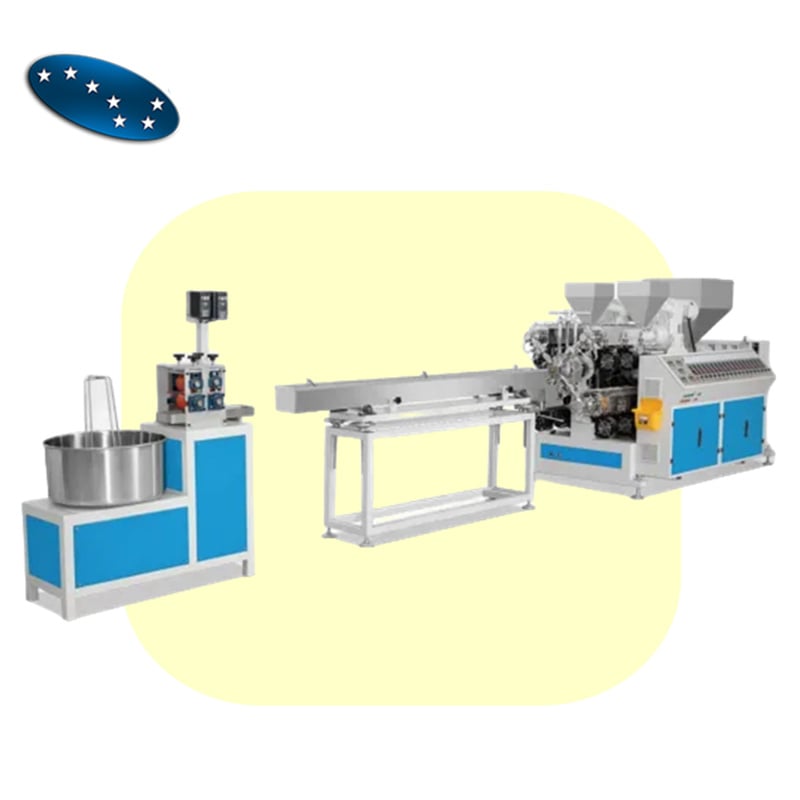
In the competitive landscape of plastic pipe manufacturing, achieving effective pipe production line synchronization is essential for preventing speed mismatches between processes. This synchronization ensures that the extrusion, cooling, and cutting processes work seamlessly together, maximizing efficiency and product quality. B2B buyers, including purchasing managers and engineers, often face concerns regarding production reliability, equipment compatibility, and overall operational costs. This article will delve into the key specifications necessary for effective synchronization, how to choose a reliable upvc pipe making machine supplier like Sevenstars Machinery, common synchronization problems and solutions, installation guidance, and the various applications of synchronized pipe production lines in the industry.
Key Specifications for Efficient Pipe Production Line Synchronization
When considering pipe production line synchronization, several key specifications should be evaluated to ensure optimal performance.
Extrusion Speed: The extrusion speed must be consistent across all equipment in the production line. A mismatch can lead to under-extrusion or over-extrusion, affecting the final product's dimensions and quality. For instance, if the extrusion line operates at a speed of 50 meters per minute but the downstream processes are set at 40 meters per minute, it can result in significant quality issues.
Cooling System Efficiency: The cooling system should be capable of maintaining uniform temperatures throughout the extrusion process. Variations can lead to warping or dimensional inconsistencies in the pipes. Buyers should confirm the cooling capabilities of the system and ensure they align with the resin type and production speed.
Cutting Precision: The cutting mechanism must synchronize perfectly with the extrusion speed. A discrepancy can lead to incorrect lengths, which can impact further processing or installation. Precision cutting equipment should feature adjustable settings to cater to various pipe specifications.
Material Handling Systems: Efficient material handling systems help prevent bottlenecks in transitions between processes. Buyers should assess the automation level and capacity of these systems to ensure they meet production demands.
By prioritizing these specifications, buyers can greatly enhance synchronization within their production lines, leading to improved efficiency and reduced waste.
Choosing a Reliable Supplier for Pipe Production Line Solutions
Selecting a reliable supplier for pipe production line synchronization solutions is crucial for long-term success. When evaluating potential partners, consider the following factors:
Experience and Expertise: Suppliers with significant experience in manufacturing plastic pipe extrusion lines, like Zhangjiagang Sevenstars Machinery, can provide valuable insights into best practices and innovative solutions. Their understanding of common challenges can help streamline your production processes.
Customization Capabilities: A supplier that offers tailored solutions can better meet your specific production requirements. Whether you need specific materials or unique machinery configurations, a flexible supplier can adapt to your needs.
Quality Assurance Processes: Ensure the supplier has robust quality control measures in place. This includes certifications and testing procedures that validate the performance of their equipment. A supplier that prioritizes quality is likely to deliver more reliable machinery.
Technical Support and Service: Post-installation support is vital for maintaining equipment performance. Look for suppliers that offer comprehensive technical support, including training and maintenance services to address any issues that may arise.
By carefully assessing these factors, buyers can select a supplier that aligns with their operational goals, ensuring efficient and synchronized production.
Common Problems in Pipe Production Line Synchronization and Solutions
Despite best efforts, issues can arise that disrupt synchronization in pipe production lines. Here are some common problems and their solutions:
Variable Extrusion Speeds: Fluctuations in extrusion speed can occur due to equipment malfunctions or inconsistencies in raw materials. To mitigate this, implement real-time monitoring systems that can adjust speeds automatically and alert operators to discrepancies.
Cooling Inefficiencies: Inadequate cooling can lead to warping or dimensional issues. Regular maintenance and calibration of cooling systems are essential. Investing in advanced cooling technologies can also enhance efficiency.
Inconsistent Cutting Lengths: If the cutting system does not align with the extrusion speed, it can lead to inconsistent pipe lengths. Utilizing programmable cutting equipment that automatically adjusts to the extrusion speed can enhance accuracy.
Material Jamming: Material jams can halt production and lead to costly downtime. Ensuring that material handling systems are properly maintained and equipped with sensors to detect and address jams can help minimize this issue.
By proactively addressing these common problems, manufacturers can maintain smoother operations and reduce the risk of disruption in their production lines with the help of Sevenstars Machinery pvc pipe manufacturing machine.
Installation Guidance for Optimal Pipe Production Efficiency
Proper installation of pipe production lines is critical for achieving synchronization and overall efficiency. Here are key considerations for installation:
Layout Planning: The layout of the equipment should facilitate smooth transitions between processes. It’s essential to minimize material handling distances and ensure that all equipment is within easy reach for operators.
Calibration of Equipment: Before starting production, all equipment must be calibrated according to the manufacturer’s specifications. This includes setting the correct extrusion speed, cooling temperatures, and cutting lengths.
Integration of Control Systems: Advanced control systems should be integrated to manage and monitor the entire production line. These systems can help synchronize the processes effectively and provide real-time data for analysis.
Operator Training: Ensure that all operators are trained on the equipment and understand the importance of synchronization in the production process. Well-trained personnel are crucial for identifying and resolving issues quickly.
By following these installation guidelines, manufacturers can set up their production lines for optimal efficiency and performance.
Applications of Synchronized Pipe Production Lines in Industry
Synchronized pipe production lines play a vital role across various industries. Some notable applications include:
Construction: Plastic pipes are widely used in construction for plumbing and drainage systems. Synchronized lines ensure that pipes meet the required specifications for durability and performance.
Agriculture: In agricultural applications, synchronized pipe production lines are crucial for creating irrigation systems that require precise dimensions for effective water flow management.
Telecommunications: The telecommunication industry relies on plastic pipes for protecting cables. Accurate production ensures that these pipes can withstand environmental stresses while maintaining their protective qualities.
Chemical Processing: Synchronized production lines are also crucial in the chemical industry, where pipes must meet specific chemical resistance requirements. Consistency in manufacturing helps ensure safety and reliability.
By leveraging synchronized production lines, companies in these industries can achieve higher efficiency, lower production costs, and enhanced product quality, ultimately leading to greater customer satisfaction.
In summary, achieving effective pipe production line synchronization is essential for manufacturers looking to enhance efficiency and product quality. By understanding key specifications, selecting the right pvc extruder machine supplier like Sevenstars Machinery, addressing common problems, ensuring proper installation, and recognizing the applications, companies can position themselves for success in a competitive market.
Table of Contents
- Key Specifications for Efficient Pipe Production Line Synchronization
- Choosing a Reliable Supplier for Pipe Production Line Solutions
- Common Problems in Pipe Production Line Synchronization and Solutions
- Installation Guidance for Optimal Pipe Production Efficiency
- Applications of Synchronized Pipe Production Lines in Industry