
 EN
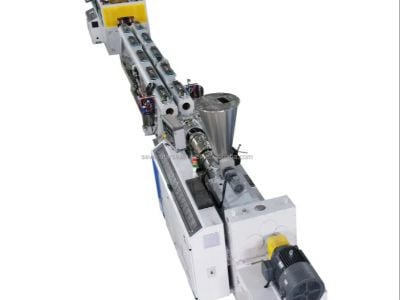
In high-precision PVC pipe production, vacuum calibration plays a critical role in ensuring the final products meet stringent quality and dimensional standards. This process involves cooling and shaping the extruded PVC pipe as it passes through a vacuum calibration tank, which is essential for achieving the precision that today’s manufacturing demands. For B2B buyers, understanding the nuances of vacuum calibration is crucial, as it directly impacts product quality, operational efficiency, and overall production costs. This article delves into the importance of vacuum calibration, key specifications to consider, cost factors, sourcing options, and common challenges in pvc pipe machine production.
Understanding the Importance of Vacuum Calibration in PVC Pipe Production
Vacuum calibration is essential in the production of PVC pipes, particularly for applications requiring high precision. The process involves the cooling of the extruded pipe inside a vacuum chamber, which not only shapes the pipe but also stabilizes its diameter and wall thickness. This is particularly important because any deviation can lead to significant issues during installation, affecting the integrity and performance of the piping system.
Moreover, vacuum calibration helps in reducing the risk of defects such as ovality, which occurs when the pipe is not perfectly round. By maintaining a consistent temperature and pressure within the calibration tank, manufacturers can enhance the physical properties of PVC, ensuring that the final product is both durable and reliable. For B2B buyers, ensuring that their pvc pipe production machine supplier has robust vacuum calibration processes is vital to guarantee that the pipes meet industry standards and customer specifications.
Key Specifications for High-Quality Vacuum Calibration Systems
When selecting a vacuum calibration system for PVC pipe production, several specifications should be taken into account:
Calibration Tank Dimensions: The size of the calibration tank should match the pipe diameter and length requirements. A properly sized tank ensures effective cooling and shaping, minimizing the risk of defects.
Vacuum Level: The vacuum pressure within the calibration tank must be adjustable to accommodate different pipe sizes and materials. An appropriate vacuum level is critical for achieving the desired dimensional accuracy.
Cooling System Efficiency: An efficient cooling system within the vacuum calibration setup ensures that the PVC cools uniformly. This is important for maintaining consistent wall thickness and preventing warping or deformation.
Material Compatibility: The materials used in the calibration system must be chemically resistant to PVC and withstand the operating temperatures involved in the extrusion process.
Automation Features: Automation in the calibration process can enhance efficiency and reduce labor costs. Features like automated vacuum control and temperature monitoring contribute to improved precision and consistency.
Buyers should carefully evaluate these specifications against their production needs to ensure optimal performance.
Comparing Cost Factors of Vacuum Calibration in Pipe Production
The costs associated with vacuum calibration systems can vary widely based on several factors, including:
Initial Investment: The upfront cost of purchasing a high-quality vacuum calibration system can be significant. Buyers should consider the system's long-term benefits against the initial expenditure.
Operating Costs: Energy consumption plays a crucial role in determining the operational costs of the calibration system. Systems designed for energy efficiency can significantly reduce long-term expenses.
Maintenance: Routine maintenance requirements can impact overall costs. A well-designed pvc pipe extrusion machine system should minimize downtime and maintenance needs, contributing to overall cost-effectiveness.
Customization: Custom systems tailored to specific production needs may incur higher costs. However, they can lead to better performance and reduced waste, which may justify the investment.
Evaluating these factors will help buyers make informed decisions that align with their budget and production goals.
Where to Source High-Performance Vacuum Calibration Equipment?
Finding reliable sources for high-performance vacuum calibration equipment can be challenging. Here are some avenues to explore:
Specialized Manufacturers: Companies like Zhangjiagang Sevenstars Machinery, with over 20 years of experience in the plastic pipe extrusion industry, offer specialized vacuum calibration systems designed for high efficiency and low energy consumption.
Industry Trade Shows: Attending exhibitions dedicated to manufacturing and plastics can provide opportunities to connect with suppliers, view equipment demonstrations, and gain insights into the latest technologies.
Online Marketplaces and Directories: Platforms like Alibaba or Global Sources allow buyers to browse various manufacturers, compare products, and read reviews from other buyers.
Industry Associations: Joining industry associations can provide access to resources, recommendations, and networking opportunities that may lead to reliable suppliers.
When sourcing, buyers should prioritize vendors with proven track records, positive customer feedback, and comprehensive support services.
Common Problems in PVC Pipe Production and Their Solutions
PVC pipe production can present several challenges, particularly related to vacuum calibration. Here are common issues and potential solutions:
Dimensional Inaccuracy: If the final pipe dimensions do not meet specifications, it may be a result of improper calibration tank settings. Regular monitoring and adjustments to the vacuum level and cooling temperature can mitigate this issue.
Surface Defects: Surface imperfections can arise during the extrusion and calibration processes. Ensuring that the calibration tank is clean and well-maintained can help prevent these defects.
Pipe Warping: Warping often occurs due to uneven cooling. Implementing a more uniform cooling process and ensuring consistent vacuum pressure can reduce this risk.
Production Downtime: Frequent equipment failures can disrupt production. Investing in high-quality calibration systems and establishing a regular maintenance schedule will help minimize unexpected breakdowns.
By addressing these common problems, manufacturers can enhance their production efficiency and product quality, ultimately leading to greater customer satisfaction.
In summary, understanding the role of vacuum calibration in high-precision PVC pipe production is crucial for B2B buyers looking to optimize their manufacturing processes. By focusing on key specifications, evaluating cost factors, sourcing reliable equipment, and addressing common production challenges, buyers can make informed decisions that enhance their operations and product offerings.
Table of Contents
- Understanding the Importance of Vacuum Calibration in PVC Pipe Production
- Key Specifications for High-Quality Vacuum Calibration Systems
- Comparing Cost Factors of Vacuum Calibration in Pipe Production
- Where to Source High-Performance Vacuum Calibration Equipment?
- Common Problems in PVC Pipe Production and Their Solutions