
 EN
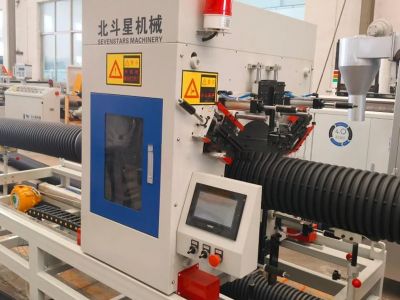
Improving corrugated pipe production stability during long runs is crucial for manufacturers aiming to optimize efficiency and maintain product quality. As production runs extend, factors like equipment performance, material behavior, and environmental conditions can significantly impact output consistency. This article will provide practical insights and strategies for enhancing production stability, addressing key concerns for purchasing managers and engineers alike.
How to Choose the Right Corrugated Pipe Extrusion Equipment?
Selecting the appropriate corrugated pipe extrusion equipment is fundamental to achieving production stability. Buyers should consider several factors, including the type of pipe being produced, the desired output capacity, and the specific materials used in production. Key equipment features to evaluate include the extruder's screw design, temperature control systems, and cooling capabilities. For instance, a high-efficiency extruder with advanced screw geometry can ensure uniform material flow and improve melt quality, which is essential for consistent pvc pipe making machine dimensions. Additionally, the inclusion of integrated cooling systems can help maintain optimal processing temperatures, directly influencing the stability of the production line. Moreover, consider the manufacturer's reputation and support services. Established companies like Zhangjiagang Sevenstars Machinery offer integrated R&D and after-sales support, which can be invaluable in troubleshooting production issues and optimizing equipment performance over time.
Key Specifications for Enhancing Corrugated Pipe Production Quality
To enhance corrugated pipe production quality, several critical specifications must be monitored and optimized. These include wall thickness, diameter tolerances, and material properties, such as strength and flexibility.
Wall Thickness: Consistent wall thickness is vital for maintaining the structural integrity of the pipe. Variations can lead to weakness or failure during application. Buyers should request detailed tolerances during the RFQ process to ensure that the production equipment can meet these standards.
Diameter Tolerances: The diameter must be controlled within specified limits to ensure compatibility with fittings and other components. Precise measurements should be verified with quality control systems, especially during long production runs.
Material Properties: The choice of materials such as high-density polyethylene (HDPE) or polypropylene affects the pipe's performance. Buyers should specify the required material properties based on the intended application, such as chemical resistance or temperature tolerance.
Incorporating advanced quality control measures, such as real-time monitoring of production parameters, can further enhance product quality and consistency.
Where to Source Reliable Suppliers for Corrugated Pipe Equipment?
Finding reliable suppliers for corrugated pipe equipment involves researching manufacturers with a proven track record in the industry. Start by evaluating suppliers like Zhangjiagang Sevenstars Machinery, known for their specialized expertise in plastic pipe extrusion lines. Consider attending industry trade shows and exhibitions, where manufacturers showcase their latest technologies and innovations. This allows buyers to assess equipment firsthand and establish direct communication with sales representatives. Additionally, online platforms and industry forums can provide valuable insights into supplier reputations and customer feedback. Look for reviews that highlight the supplier's responsiveness, quality of plastic pipe making machine, and after-sales support. When contacting suppliers, prepare a clear outline of your production needs, including specific equipment requirements, production goals, and any customization requests. This will facilitate more accurate quotations and foster productive discussions.
Evaluating Cost Factors in Corrugated Pipe Production Stability
Cost factors in corrugated pipe production stability encompass various aspects, including equipment investment, material costs, and operational expenses. Understanding these factors is essential for making informed purchasing decisions.
Equipment Investment: The initial cost of extrusion lines can vary significantly based on technology and features. While high-efficiency machines may have a higher upfront cost, they often lead to lower operational costs and improved production stability over time. Therefore, consider total cost of ownership rather than just the purchase price.
Material Costs: Fluctuations in raw material prices can impact overall production costs. It’s advisable to establish relationships with multiple suppliers to mitigate risks associated with price volatility. Additionally, consider the long-term performance of materials, as higher-quality inputs may reduce defects and waste.
Operational Expenses: Ongoing costs, such as energy consumption and maintenance, should be factored into the overall evaluation. High-efficiency machinery often consumes less energy, which can translate to significant savings in large-scale operations.
Buyers should conduct a thorough cost analysis that includes these factors to determine the most cost-effective solution for their production needs.
Technical Insights on Materials for Corrugated Pipe Manufacturing
The choice of materials significantly affects the performance and application of corrugated pipes. Common materials include HDPE and PVC, each offering unique advantages.
High-Density Polyethylene (HDPE): Known for its strength and durability, HDPE is resistant to chemicals and UV radiation, making it suitable for outdoor applications. Its flexibility allows for easier installation in various environments. When specifying HDPE, verify the grade and ensure it meets relevant industry standards.
Polyvinyl Chloride (PVC): pvc pipe manufacturing machine are lightweight and easy to handle, making them popular for a range of applications, including drainage and irrigation. However, they may be less flexible than HDPE. It’s important to consider the working temperature and pressure ratings when selecting PVC materials.
Blends and Additives: Some manufacturers may offer material blends or additives to enhance performance characteristics, such as impact resistance or flame retardant. Discuss potential customization options with suppliers to meet specific application requirements.
Ultimately, the decision on materials should align with the intended use of the corrugated pipes, ensuring they perform effectively under expected conditions. By focusing on these key areas from equipment selection to material choice manufacturers can significantly improve the stability of their corrugated pipe production during long runs, leading to enhanced quality and efficiency in their operations.
Table of Contents
- How to Choose the Right Corrugated Pipe Extrusion Equipment?
- Key Specifications for Enhancing Corrugated Pipe Production Quality
- Where to Source Reliable Suppliers for Corrugated Pipe Equipment?
- Evaluating Cost Factors in Corrugated Pipe Production Stability
- Technical Insights on Materials for Corrugated Pipe Manufacturing