
 EN
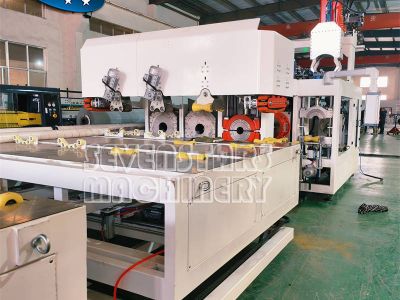
Understanding how to match extruder capacity with corrugated pipe production requirements is essential for manufacturers aiming to enhance efficiency and reduce costs. Selecting the right extruder involves considering various specifications and aligning them with production goals. This article will help purchasing managers, engineers, and product managers understand the key factors in making informed decisions about extruder machines, enabling them to optimize their production processes and avoid common pitfalls.
Key Specifications to Consider When Sourcing Extruder Machines
When sourcing extruder machines for corrugated pipe production, several key specifications should be evaluated:
Extruder Capacity: This is often measured in kilograms per hour (kg/h) and should align with your production volume needs. A mismatch can lead to bottlenecks or underutilization.
Screw Design: The geometry and length of the screw impact material processing and melt homogeneity. Different applications may require different designs, such as single or twin-screw configurations.
Material Type: The extruder must be compatible with the specific type of plastic being processed, whether it’s PVC, PE, or another material. Each plastic has unique processing temperatures and flow characteristics that must be accommodated.
Heating and Cooling Systems: Efficient temperature control is vital to ensure the material is processed correctly. Look for extruders that offer precise heating zones and effective cooling methods.
Drive System: The type of motor and gearbox can affect energy consumption and operational efficiency. Gear-driven systems are typically more energy-efficient than belt-driven systems.
Automation Features: Consider whether the pvc extruder machine includes automated features for monitoring and adjusting settings, which can enhance overall production efficiency and reduce the likelihood of human error.
By thoroughly evaluating these specifications, buyers can ensure they choose an extruder that meets their production requirements.
Where to Find Reliable Suppliers for Extruder Equipment?
Finding reliable suppliers for extruder equipment is crucial for ensuring quality and performance. Here are several strategies to identify trustworthy manufacturers:
Industry Trade Shows: Attending industry exhibitions related to plastic manufacturing can provide firsthand insight into various suppliers. You can see the machines in action, ask questions, and gather brochures for further evaluation.
Online Manufacturer Directories: Websites like ThomasNet and Alibaba list numerous manufacturers and suppliers. Pay attention to reviews, ratings, and the number of transactions as indicators of reliability.
Professional Associations: Joining associations such as the Plastics Industry Association can connect you with reputable suppliers and provide access to industry resources and networking opportunities.
Referrals and Recommendations: Reach out to industry colleagues or forums to get recommendations based on their experiences. This can lead you to suppliers known for quality and service.
Supplier Certifications: Verify that the supplier holds relevant certifications, such as ISO 9001, which indicates a commitment to quality management practices.
By utilizing these resources, you can ensure that you are sourcing from established suppliers who can meet your production demands effectively.
Comparing Extruder Capacities for Efficient Pipe Production
When comparing extruder capacities, it’s essential to consider how the capacity aligns with your production needs, which can vary based on the type and size of the corrugated pipe being produced. Here are some critical points to keep in mind:
Production Target: Determine your daily or weekly production targets to identify the minimum capacity required from the extruder. An extruder with insufficient capacity will lead to production delays, while a machine with too high a capacity may increase energy costs unnecessarily.
Pipe Specifications: The diameter and wall thickness of the corrugated pipe influence how the polymer flows through the extruder. Larger diameters typically require higher capacities, so ensure you account for this when making comparisons.
Material Processing Characteristics: Different materials behave differently under extrusion conditions. For example, high-density polyethylene (HDPE) may require a higher output capacity compared to low-density polyethylene (LDPE) for the same diameter.
Bottlenecks in Production: Analyze your current production setup to identify potential bottlenecks. A higher-capacity pipe extruder may alleviate these issues, allowing for a smoother production flow.
Future Scaling Needs: Consider whether your production requirements might increase in the future. Opting for a slightly larger capacity now may save costs on future upgrades.
By carefully comparing extruder capacities with your production needs, you can select a machine that maximizes efficiency without incurring unnecessary costs.
Technical Solutions for Common Extrusion Problems in Manufacturing
Extrusion processes can encounter various challenges that affect production quality and efficiency. Here are common problems and technical solutions:
Material Degradation: If the material degrades during processing, it can lead to inconsistencies in the final product. This can be mitigated by ensuring proper temperature control throughout the extrusion process and selecting the appropriate screw design for the material being used.
Pipe Collapse: A collapse in the pipe can occur if the cooling process is inadequate. Investing in an effective cooling system that maintains the appropriate temperature as the pipe exits the die is crucial for maintaining structural integrity.
Inconsistent Wall Thickness: This issue can arise from uneven material feed or improper screw design. Regular calibration and maintenance of the feed system, as well as selecting the right screw design, can help ensure uniformity.
Surface Defects: Surface imperfections can result from a variety of factors including contamination or improper cooling. Implementing stringent quality control measures and regular maintenance checks on equipment can help identify and rectify these issues early.
Energy Efficiency: High energy consumption can impact overall production costs. Upgrading to more energy-efficient machines and optimizing production schedules can lead to significant savings.
By understanding these common extrusion problems and their solutions, manufacturers can enhance their production processes and reduce downtime.
Installation Guidance for Optimal Extruder Performance and Output
Proper installation of extruder equipment is critical for achieving optimal performance and output. Here are some key considerations during installation:
Site Preparation: Ensure the installation site is clean, dry, and free from potential contaminants. The floor should be level to support the weight of the extruder and associated equipment.
Alignment and Leveling: Proper alignment and leveling of the extruder are essential. Misalignment can lead to increased wear on components and affect the quality of the extruded product.
Electrical Connections: Verify that electrical connections meet the specifications recommended by the manufacturer. Faulty wiring can lead to operational failures and pose safety risks.
Cooling and Heating Setup: Ensure that the cooling and heating systems are installed according to the manufacturer’s guidelines. Regular testing of these systems post-installation is advisable to confirm they are functioning correctly.
Operator Training: Provide comprehensive training for operators to familiarize them with the pvc pipe extruder controls and features. This step can significantly reduce operational errors and improve output quality.
By following these installation guidelines, manufacturers can set the stage for optimal extruder performance and ensure a smooth production process.
Understanding how to match extruder capacity with corrugated pipe production requirements is essential for enhancing efficiency and balancing costs. By focusing on the key specifications, sourcing reliable suppliers, comparing capacities, addressing common issues, and ensuring proper installation, manufacturers can optimize their production processes and achieve better outcomes.
Table of Contents
- Key Specifications to Consider When Sourcing Extruder Machines
- Where to Find Reliable Suppliers for Extruder Equipment?
- Comparing Extruder Capacities for Efficient Pipe Production
- Technical Solutions for Common Extrusion Problems in Manufacturing
- Installation Guidance for Optimal Extruder Performance and Output