
 EN
EN
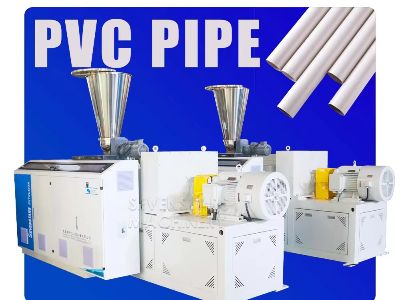
Choosing the right corrugator block system for different pipe sizes is crucial for manufacturers looking to optimize their plastic pipe extrusion processes. The right system can enhance efficiency, reduce energy consumption, and improve the quality of the final product. This article will guide you through the key considerations for selecting a corrugator block system tailored to your specific needs, addressing common buyer concerns such as compatibility, specifications, installation, and cost.
How to Choose the Right Corrugator Block System for Your Pipe Sizes?
When selecting a corrugator block system, it's essential to consider the specific dimensions and characteristics of the pipes you intend to produce. The right system should accommodate the varying diameters, wall thicknesses, and profiles of your pipe sizes. Start by evaluating your product line if you manufacture a range of pipe sizes, you may need a flexible system that can easily adapt to different specifications. Additionally, consider the material properties of the pipes you'll be producing. Different materials may require specific processing temperatures and cooling times, impacting the design of the corrugator block system. Ensure that the system you choose is compatible with the materials you plan to use, as this will affect the overall performance and efficiency of your production line.
Key Specifications to Consider When Selecting a Corrugator System
Several critical specifications should guide your selection of a corrugator block system. Key considerations include:
Pipe Diameter and Wall Thickness: Ensure the system is capable of handling the range of diameters and wall thicknesses you produce. The block’s design should prevent deformation and ensure uniformity during extrusion.
Material Compatibility: Different polymers, such as PVC, PE, or PP, have specific thermal and mechanical properties. The corrugator should be designed to process the chosen material effectively, considering factors like melt temperature and cooling requirements.
Cooling System: A robust cooling system is vital for achieving the desired pvc pipe grinder machine properties. Consider systems that offer efficient cooling options to enhance the dimensional stability and surface finish of your pipes.
Energy Efficiency: Look for systems that incorporate energy-saving technologies. High-efficiency systems can significantly reduce operational costs and contribute to a more sustainable production process.
Understanding these specifications will help you make an informed decision for your corrugator block system.
Which Fits Your Pipe Needs?
Identifying the right corrugator block system for your pipe needs involves analyzing your production goals and constraints. If you're producing high-volume orders of standard pipe sizes, a high-speed, automated corrugator may be the best fit. However, if your focus is on smaller batches or custom sizes, a more flexible system may be necessary.
It’s also essential to consider the production environment. For instance, systems with advanced control features can help manage variations in material and environmental conditions, ensuring consistent quality across different pvc pipe machine supplier. Additionally, consult with your suppliers to discuss potential customization options that can enhance the system's adaptability to your specific production needs.
Installation Guidance for Different Pipe Sizes with Corrugator Systems
Installation of a corrugator block system is a critical step that can impact production efficiency. Proper installation begins with assessing the layout of your facility, ensuring that the system fits comfortably within your existing setup. The installation process typically involves:
Foundation Preparation: Ensure that the installation area is adequately prepared, with a stable foundation to support the weight of the corrugator system.
Alignment and Leveling: Proper alignment is crucial for the smooth operation of the corrugator. Misalignment can lead to issues such as uneven extrusion and increased wear on components.
Testing and Calibration: After installation, conduct thorough testing and calibration to ensure that the system operates within the specified parameters. This step is vital for validating the performance before mass production begins.
It's advisable to work closely with the manufacturer during the installation process. Their expertise can help address any unique challenges related to your specific pipe sizes.
Cost Factors to Consider When Sourcing Corrugator Block Systems
When sourcing corrugator block systems, several cost factors should be considered to ensure a cost-effective investment:
Initial Purchase Price: While it may be tempting to choose the least expensive option, consider the long-term benefits of investing in a high-quality system that offers better efficiency and reliability.
Operational Costs: Evaluate the energy efficiency of the system, as this will impact your running costs. High-efficiency systems may have a higher upfront cost but can lead to significant savings over time.
Maintenance and Support: Factor in the costs associated with maintenance, including spare parts and service support. A system with readily available parts and reliable technical support can save you from unexpected downtime.
Customization Needs: If specific features or adaptations are required for your production line, be sure to include these potential costs in your budget.
Understanding these cost factors will help you evaluate different suppliers effectively and make a sound investment in your manufacturing processes.
By considering these various aspects, you can confidently choose the right corrugator block system for your pvc pipe machine price, ensuring optimal performance and cost efficiency in your production line.