
 EN
EN
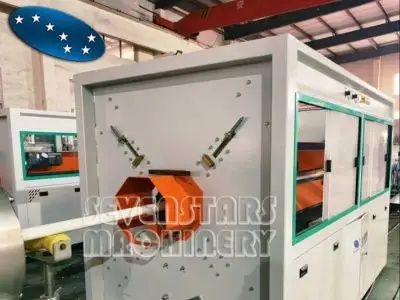
Understanding how to match extruder capacity with PVC pipe diameter and wall thickness is crucial for manufacturers and buyers in the plastic pipe industry. Proper alignment of these factors ensures efficient production, optimal performance, and cost-effectiveness. This article will address the main concerns of B2B buyers regarding specifications, quality, and application suitability, providing valuable insights that can guide purchasing decisions
A Guide for Wholesale Buyers
Wholesale buyers looking to procure PVC pipes must consider several key factors before making their decisions. First, understanding the specific requirements of their end applications is vital. This includes knowing the expected diameter and wall thickness of the pipes, as these dimensions directly impact the performance and compatibility with existing systems
Additionally, buyers should assess the production capabilities of their suppliers. It's important to evaluate the supplier’s extrusion technology, production capacity, and energy efficiency. For instance, a manufacturer like Zhangjiagang Sevenstars Machinery, which specializes in high-efficiency, low-energy plastic pipe extrusion lines, can provide valuable insights into optimizing extruder settings for specific PVC pipe specifications
Lastly, price considerations should be balanced against quality. Wholesale buyers need to ensure they are not only acquiring competitively priced products but also those that meet industry standards for durability and performance
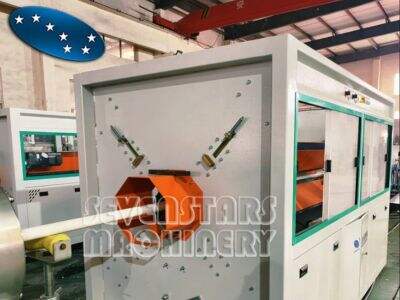
Technical Specifications for PVC Pipe Extrusion and Capacity Matching
When matching extruder capacity with PVC pipe specifications, it’s essential to understand the relevant technical parameters. Key specifications include
Diameter: The outer diameter of the pipe, which affects the flow rate and pressure ratings
Wall Thickness: This influences the pipe's strength and durability under various conditions, such as pressure and temperature
Material Composition: The type of PVC used can change the extrusion process requirements and end-product characteristics
Extruder capacity is typically measured in terms of throughput, often expressed in kilograms per hour (kg/h). A well-calibrated extruder must be able to handle the volume dictated by the pipe dimensions while maintaining optimal processing temperatures and pressures. If the extruder's capacity is too low for the required output, it could lead to production bottlenecks and quality issues, such as inconsistent wall thickness or poor surface finish
Quality Considerations for Buyers
Quality control is a critical aspect of the PVC pipe manufacturing process. Buyers should prioritize suppliers that implement rigorous quality assurance protocols throughout the production cycle. This includes
Material Testing: Verification of raw material quality, including testing for compliance with relevant industry standards
Process Monitoring: Continuous monitoring of extrusion parameters (temperature, pressure, and speed) to ensure they align with the desired specifications
Final Inspection: Conducting dimensional checks and surface quality assessments on finished products to ensure they meet the expected standards
Additionally, buyers should consider requesting samples before committing to large orders. This allows them to evaluate the product's quality firsthand, ensuring it meets their specific requirements for application
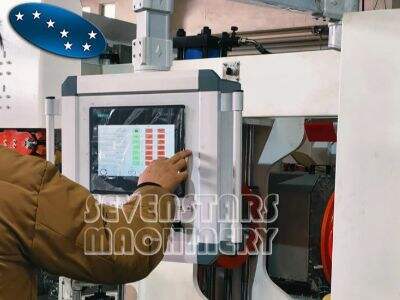
Matching to Extruder Capacity
To effectively match extruder capacity with PVC pipe diameter and wall thickness, buyers should consider the following steps
Calculate Required Throughput: Determine the desired output volume based on production schedules and pipe specifications. This information will guide the selection of the extruder model and its capacity
Assess the Extruder Specifications: Review the technical data provided by the manufacturer, including the maximum throughput, the recommended processing temperatures, and the types of materials compatible with the extruder
Evaluate Compatibility: Ensure that the chosen extruder can handle the specific PVC formulation being used, as different formulations may require distinct processing conditions
Monitor Production Efficiency: Track the production process to identify any inefficiencies or issues related to extruder performance and adjust settings as necessary to optimize output
By following these steps, buyers can ensure that their extruder is well-suited to produce PVC pipes that meet the desired specifications without compromising quality or efficiency
Applications of PVC Pipes and Their Impact on Extruder Selection
PVC pipes are utilized across various industries, each with specific requirements for pipe dimensions and performance characteristics. Common applications include
Water Supply and Distribution: Pipes used in this application often require high pressure ratings and durability against environmental factors, impacting their diameter and wall thickness specifications
Drainage and Waste Management: These pipes may have different thickness requirements to handle varying levels of stress and corrosion resistance
Electrical Conduits: PVC pipes used for electrical applications must meet specific standards for fire resistance and insulation, which can affect material selection and extrusion parameters
When selecting an extruder for producing PVC pipes, understanding the intended application is vital. Different applications may necessitate unique extrusion processes, such as varying cooling rates or specific additives to enhance performance. Therefore, buyers should collaborate with suppliers who can provide tailored recommendations based on their specific application needs
In summary, effectively matching extruder capacity with PVC pipe diameter and wall thickness requires a comprehensive understanding of technical specifications, quality control processes, and application-specific requirements. By focusing on these aspects, buyers can make informed purchasing decisions that optimize production efficiency and ensure the delivery of high-quality PVC pipes