
 EN
EN
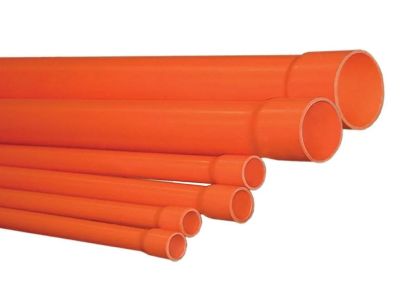
Understanding how extrusion temperature profiles influence PVC pipe dimensional stability is crucial for manufacturers and buyers alike. PVC pipes are widely used in construction, plumbing, and various industrial applications, making their performance and reliability a top concern. This article will delve into the intricacies of how temperature settings during the extrusion process can impact the dimensional stability of PVC pipes. Readers will gain insights into key specifications, sourcing reliable equipment, cost factors, best installation practices, and common production challenges
Key Specifications to Consider for PVC Pipe Production
When producing PVC pipe making machine, several key specifications must be evaluated to ensure optimal performance. The most critical include
Extrusion Temperature: This significantly affects the viscosity of the PVC mixture during processing. If the temperature is too low, the material may not flow properly, leading to inconsistencies. Conversely, excessively high temperatures can degrade the material, affecting its strength and dimensional stability
Cooling Rate: The cooling process is just as vital as heating. An uneven cooling rate can cause warping or dimensional changes, which may lead to installation issues
Wall Thickness: Consistent wall thickness is essential for maintaining the structural integrity of the pipe. Variations can result in weak points that may fail under pressure
Material Formulation: The type and quality of additives used in the PVC mixture can also influence the pipe's overall performance characteristics, including its resistance to environmental stressors
Dimensional Tolerances: Understanding and adhering to specified tolerances is crucial for ensuring compatibility with fittings and other components in plumbing and construction applications
By paying close attention to these specifications, manufacturers can enhance the dimensional stability of their PVC pipes, ultimately leading to better performance in end-use applications
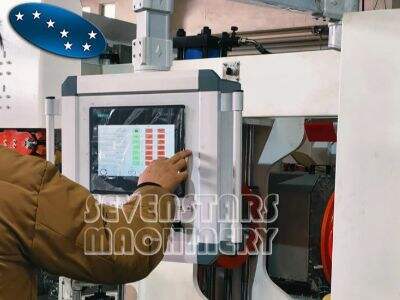
Where to Source Reliable PVC Pipe Extrusion Equipment
Sourcing quality PVC pipe extrusion equipment is essential for achieving consistent production results. Here are several factors to consider when selecting equipment:
Manufacturer Reputation: Look for equipment suppliers with a proven track record in the industry. Companies like Zhangjiagang Sevenstars Machinery, which specializes in high-efficiency extrusion lines, often provide insights into the latest technology and best practices
Customization Options: Depending on your production needs, seek out manufacturers that offer customizable equipment. This may include adjustable temperature controls and varied die designs to enhance the dimensional stability of the final product
Technical Support and Service: Choose suppliers that provide robust after-sales support. This can include installation assistance, training, and maintenance services, which are crucial for maintaining optimal performance over time
Energy Efficiency: Given the rising costs of energy, consider sourcing equipment designed to operate efficiently, helping to reduce production costs while maintaining quality
Compliance and Certification: Ensure that the equipment meets industry standards and certifications. This decreases the risk of operational issues and enhances trust in your production processes
By focusing on these key aspects, businesses can better ensure the reliability and efficiency of their PVC pipe production lines
Understanding Cost Factors in PVC Pipe Manufacturing
Cost considerations in PVC pipe manufacturing machine can be complex, influenced by several factors
Raw Material Costs: The price of PVC resin and additives can fluctuate based on market conditions. Buyers should monitor these trends and consider long-term contracts to stabilize costs
Energy Consumption: The extrusion process is energy-intensive. Efficient machinery can significantly reduce energy costs, making it a wise investment for manufacturers seeking to minimize expenses
Labor Costs: Automation can reduce labor costs but may require a higher initial investment. Assessing the right balance between manual labor and automation is critical for optimizing overall costs
Maintenance and Downtime: Regular maintenance can prevent costly downtime. Investing in reliable machinery and establishing a solid maintenance schedule can mitigate unexpected expenses
Quality Control: Implementing stringent quality control measures can help prevent defects that lead to waste and rework, ultimately affecting the bottom line
By understanding these cost factors, manufacturers can make informed decisions that balance quality and profitability
Best Practices for Installing PVC Pipes with Dimensional Stability
Proper installation of PVC pipes is essential for ensuring their long-term performance. Here are some best practices to follow
Temperature Considerations: Ensure that installation occurs within the recommended temperature ranges, as extreme temperatures can affect the pipe's flexibility and strength
Proper Handling: Avoid dropping or mishandling pipes during transport and installation to prevent micro-cracks or other damage that could compromise dimensional stability
Use Compatible Fittings: Ensure that all fittings and connectors are compatible with the pipe dimensions to prevent stress points that could lead to leaks or failures
Support and Spacing: Adequate support should be provided throughout the length of the pipes, especially in long runs. This helps prevent sagging, which can lead to misalignment and installation issues
Expansion Joints: Incorporate expansion joints in long runs of PVC piping to accommodate thermal expansion and contraction, which can otherwise lead to stress and dimensional changes
Implementing these best practices during installation can significantly enhance the longevity and reliability of PVC pipes in various applications
Common Problems in PVC Pipe Production and Their Solutions
Despite careful planning, common issues can arise during PVC pipe machine production. Here are some typical problems and their solutions
Dimensional Variability: This can occur if the extrusion temperature fluctuates or if the cooling process is inconsistent. Regular monitoring of temperature profiles and implementing precise cooling techniques can mitigate these issues
Surface Defects: Scratches, bubbles, or discolorations may occur due to improper handling or equipment issues. Regular maintenance and operator training can help reduce the incidence of surface defects
Brittleness: Overheating during extrusion can lead to brittleness in the final product. Monitoring temperature profiles closely and ensuring proper material mixing can prevent this problem
Blockages in the Die: Material build-up can hinder production efficiency. Regular cleaning and maintenance of the extrusion die are essential practices to prevent blockages
Inconsistent Quality: Variability in raw materials or processing parameters can lead to inconsistent product quality. Establishing stringent quality control measures and working with trusted suppliers can help ensure uniformity
By proactively addressing these common issues, manufacturers can enhance their production processes and product quality, leading to better customer satisfaction and reduced costs